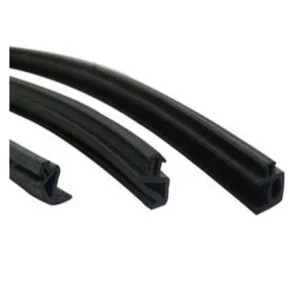
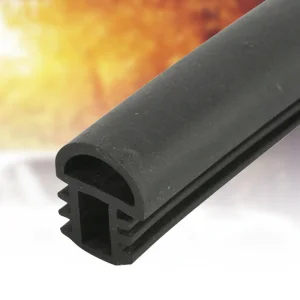
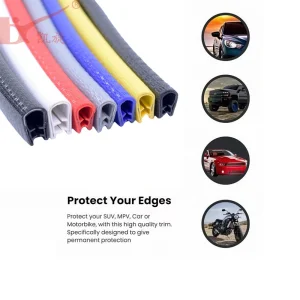
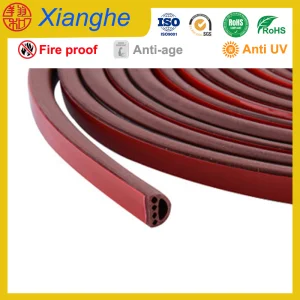
In the modern industrial landscape, the demand for High-Temperature Sealing Strips has transcended basic weatherproofing. As global manufacturers move toward more compact, high-efficiency engines and electrified power systems, the thermal management requirements for sealing components have skyrocketed. Today's seals must withstand constant temperatures ranging from -40°C to over 250°C without compromising structural integrity or tensile strength.
As a leading Exporter and Manufacturer based in the heart of China's rubber industry, Zhejiang Haala Automotive Parts Co., Ltd. provides more than just hardware; we provide Information Gain through material science and engineering expertise. This document outlines the critical success factors for procurement officers, automotive engineers, and industrial designers seeking reliable sealing partners.
Zhejiang Haala Automotive Parts Co., Ltd. is a medium-sized private enterprise mainly engaged in the production of various types of vehicle sealing strips, integrating scientific research, development, production, and sales. We are located in Matun Industrial Zone, Qinghe County, leveraging local expertise and industrial scale.
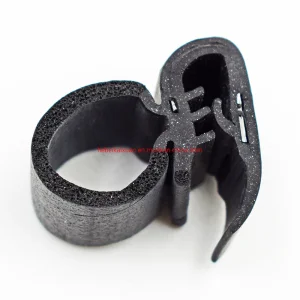
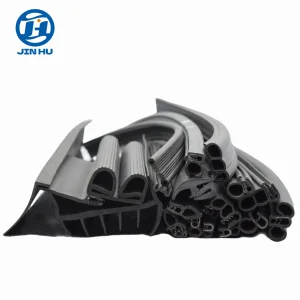
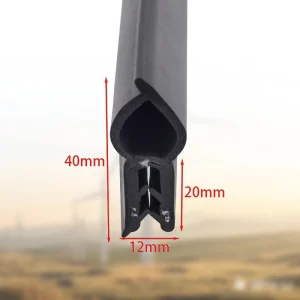
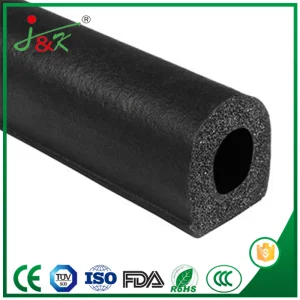
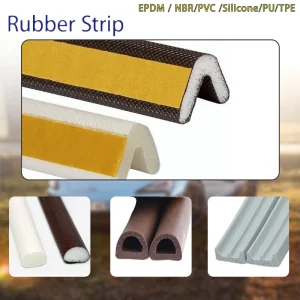
Specializing in producing various automotive sealing strips, air conditioning sealing, furniture sealing, and foam sealing strips. Our EPDM sponge (foam) and composite steel core strips represent the pinnacle of extrusion technology.
The company has strong technical strength and management experience. Testing methods are complete, forming a one-stop production mode of raw material preparation, mold development, and product molding.
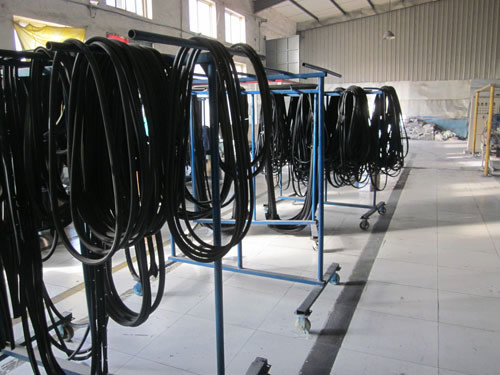
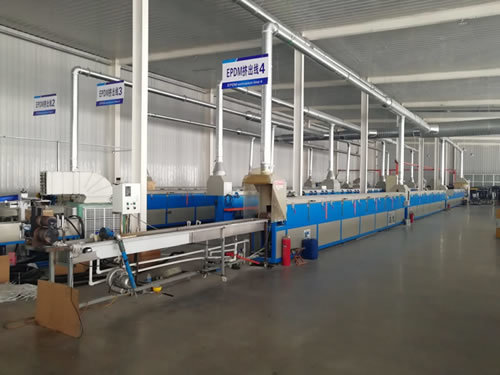
We provide localized shipping support across Europe, North America, and the Middle East. Our proximity to major ports like Ningbo and Shanghai ensures rapid transit times and reduced freight costs for bulk exporters.
All high-temperature strips are manufactured to meet REACH, RoHS, and IATF 16949 standards. This ensures that our global enterprise clients can integrate our components into their assembly lines without regulatory friction.
By controlling the entire vertical—from raw EPDM formulation to final vulcanization—we offer price stability and lead-time reliability that smaller trading companies cannot match.
When selecting a manufacturer for high-temperature seals, understanding the material properties is paramount. Our R&D team focuses on three primary categories:
The industry is shifting toward Multi-Composite Extrusion. This involves co-extruding dense rubber, sponge rubber, and metal carriers in a single pass. This technology reduces vehicle weight while improving NVH (Noise, Vibration, and Harshness) ratings—a critical metric for the growing Electric Vehicle (EV) market.
Sealing solutions for door frames, windshields, engine hoods, and trunk lids. Our E-type and P-type strips are standard in many global vehicle models.
High-performance curtain wall seals and aluminum alloy window strips that resist UV degradation and thermal expansion in skyscraper construction.
Corrosion-resistant and oil-resistant NBR seals for container door frames and marine hatch covers, built to withstand saltwater environments.
Specialized refrigerated door sealing strips that prevent thermal bridging and maintain energy efficiency in commercial cold storage.
A: Our standard EPDM formulations are rated for continuous use at 120°C, with specialized heat-stabilized grades reaching up to 150°C for intermittent exposure.
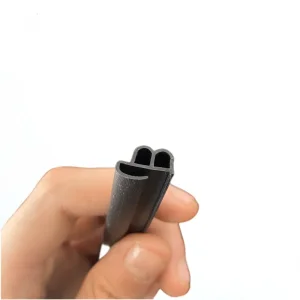
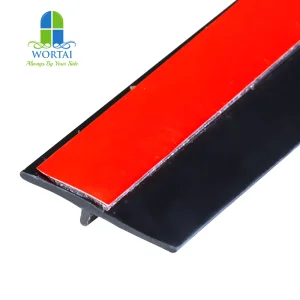
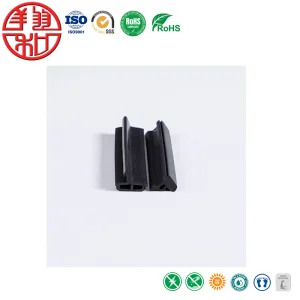
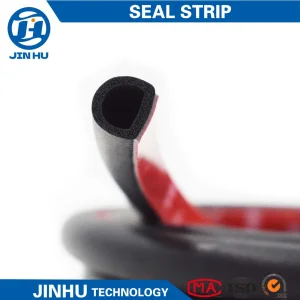
A: Yes. We have an in-house mold development center. We can take your CAD drawings and produce custom extrusion dies for D-shape, T-type, or complex multi-composite profiles.
A: We utilize premium automotive-grade 3M acrylic foam tapes and heat-activated adhesives that are specifically tested to maintain peel strength even after thermal cycling.
A: Absolutely. We encourage global enterprises to request samples to verify material hardness (Shore A), tensile strength, and compression set before bulk orders.
 Haala Parts