Haala Parts
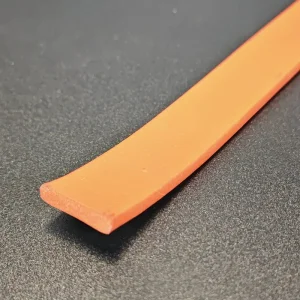
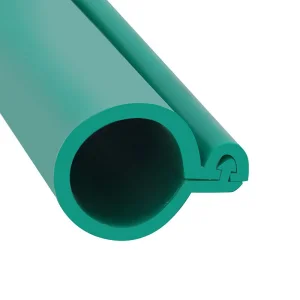
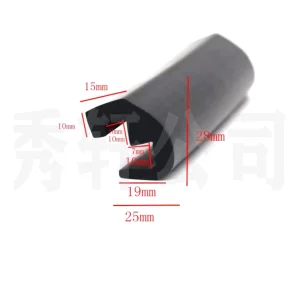
The Strategic Importance of Silicone in Central Asian Automotive Design
The automotive industry in Uzbekistan is undergoing a historic transformation. Under the leadership of the "New Uzbekistan" strategy, the country is not just assembling vehicles but creating a localized supply chain. At the heart of this localization is the need for components that can withstand the "Great Steppe" environment.
Why Silicone over Traditional EPDM for Uzbekistan?
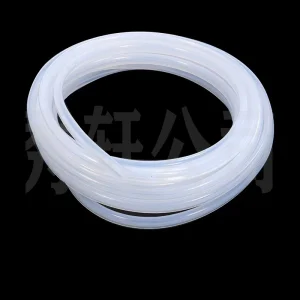
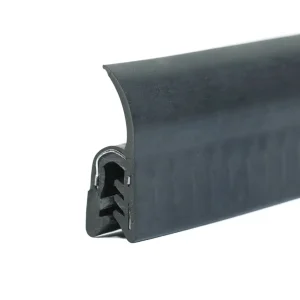
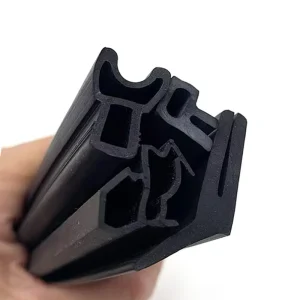
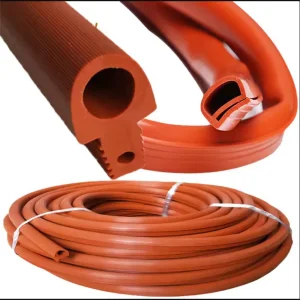
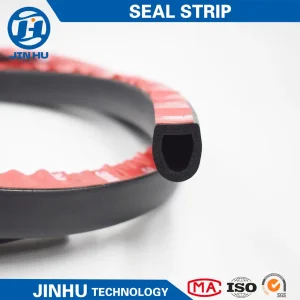
While EPDM is the global standard for many automotive applications, the specific conditions in Tashkent, Samarkand, and the Kyzylkum Desert demand more. Silicone automotive sealing strips offer:
- Extreme Thermal Stability: Silicone remains flexible at -60°C and stable at +250°C. In the high-altitude passes of the Pamir-Alay, where temperatures drop overnight, silicone prevents seal-cracking.
- UV and Ozone Resistance: Uzbekistan experiences high solar radiation. Silicone's inorganic backbone does not break down under UV like organic rubbers, preventing the "chalking" effect seen on older vehicles.
- Chemical Inertness: Resistant to the fuels and oils used in heavy industrial zones, ensuring the engine compartment remains sealed even in harsh conditions.
Future Trends: The Rise of Electric Vehicles in Uzbekistan
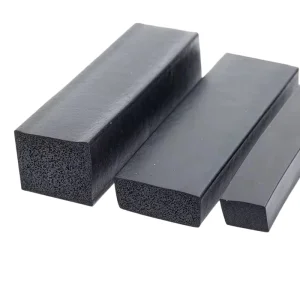
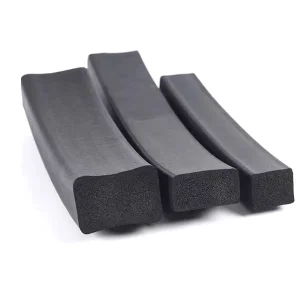
With the Uzbekistan government providing incentives for EV adoption and the massive investment by BYD in local assembly plants, the requirements for sealing have changed. EV batteries require sophisticated Thermal Interface Materials (TIM) and sealing gaskets that are both lightweight and fire-resistant. Our silicone foam technology is perfectly suited to meet these "Future-Uzbekistan" standards, providing sound damping for quiet electric drivetrains and waterproof protection for sensitive electronics.