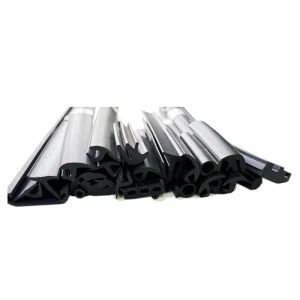
Engineered EPDM, Silicone, and multi-component composite sealing profiles designed for structural integrity, sound dampening, and absolute environmental insulation.
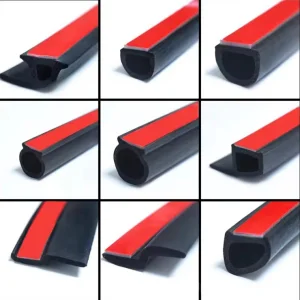
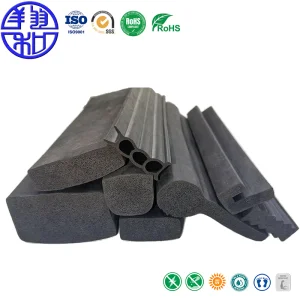
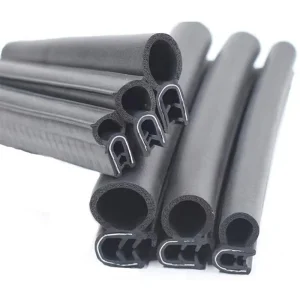
An industry-leading, medium-sized private enterprise seamlessly integrating materials research, dynamic CAD design, polymer compounding, extrusion manufacturing, and direct global export.

Over a decade of manufacturing excellence in customizing high-grade EPDM (dense and foam sponge), silicone, fluororubber, modified PVC, and thermoplastic elastomer (TPE) sealing systems. We operate complete extrusion runs, tri-composite profiles, cabinet door sponge seals, and complex skeleton-embedded strips.

Supported by a comprehensive physical-chemical testing laboratory. From internal mixer compounding, rheometer checking, custom tooling CNC development, to automated microwave curing line extrusion, we guarantee precise mechanical characteristics such as compression set resistance and tensile strength.

Approved OEM components shipped globally to major industrial corridors including Germany, Japan, USA, France, Iran, India, Australia, Brazil, Russia, Türkiye, and Nigeria. Leveraging local port access and robust export compliances to supply critical automotive and transport infrastructure clients.
Automotive body sealing structures demand distinct rheological properties to balance flexibility, structural compliance, and atmospheric aging. Zhejiang Haala Automotive Parts Co., Ltd. addresses these requirements by formulating specialized, high-grade polymer blends designed to withstand extreme shear forces and long-term environmental fatigue.
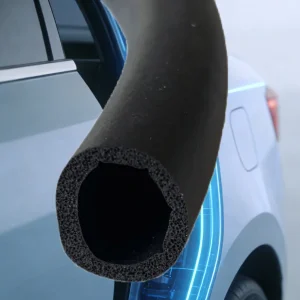
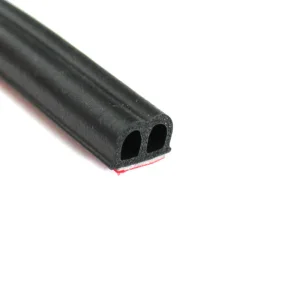
Our research and compounding facility focuses on EPDM (Ethylene Propylene Diene Monomer) with controlled molecular weight distribution. By altering the polymer backbone structure, we produce dense rubber components with high tensile strength alongside micro-cellular sponge structures characterized by an extremely low compression set. This co-extrusion engineering ensures door and trunk lines remain elastic over hundreds of thousands of cycles.
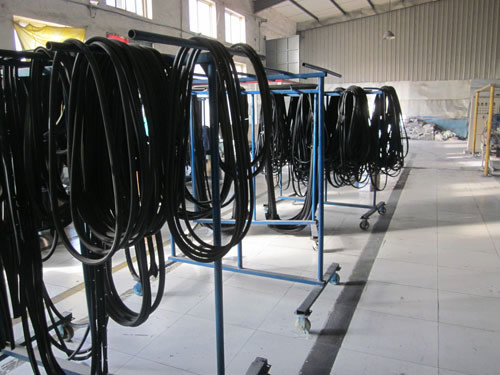
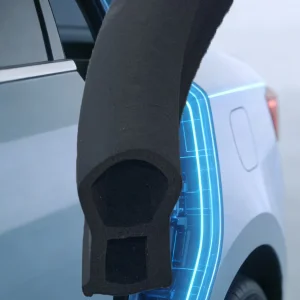
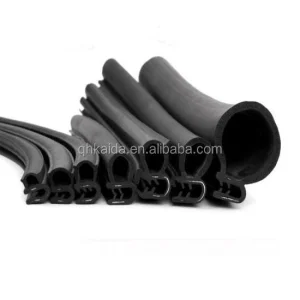
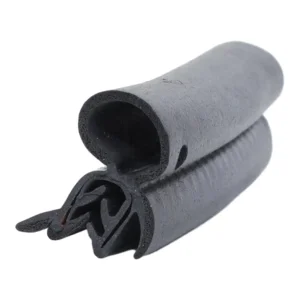
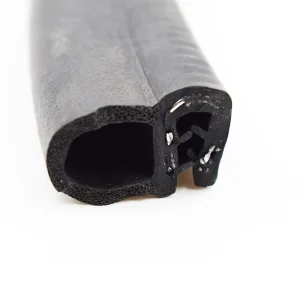
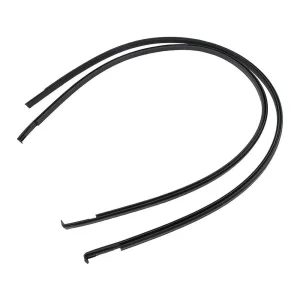
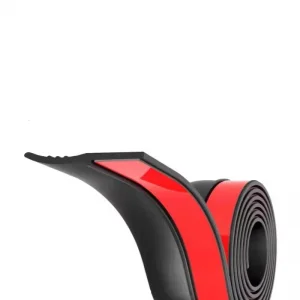
Modern vehicle profiles require more than a single compound profile. We specialize in producing dynamic dual, tri, and quad-component sealing structures. These complex composite profiles integrate dense EPDM for rigid mounting channels, sponge EPDM for low closing force contact, internal steel-wire clips or solid metal carriers for strong panel retention, and custom coatings (such as low-friction flocking or spray-on polyurethane) to minimize window sliding friction and cabin squeaks.
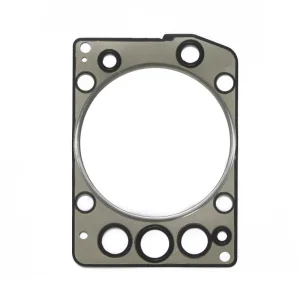
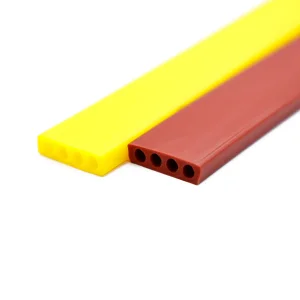
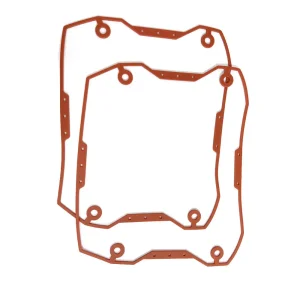
For custom engineering projects, we supply high-temperature resistant silicone profiles for engine valve cover gaskets, fuel system connectors, and interior decorative strips. Our high-precision tooling ensures consistent tolerances, satisfying tight automotive gap specs.
A technical guide outlining mechanical traits across our core materials to support engineering specifications.
| Polymer Formulation Type | Hardness Range (Shore A) | Tensile Strength (MPa) | Working Temperature Limit | Primary Industrial / Automotive Applications |
|---|---|---|---|---|
| Dense EPDM (Peroxide Cured) | 50 - 90 | ≥ 10.5 | -50°C to +135°C | Vehicle Door Glass Run Channels, Windshield Seals, Decorative Skeleton Strips. |
| Sponge EPDM (Microcellular Foam) | 15 - 35 (Asker C) | ≥ 2.5 | -45°C to +120°C | Trunk Seals, Sunroof Gaskets, Hood and Gap Anti-Collision Weatherstripping. |
| High-Performance Silicone (VMQ) | 30 - 80 | ≥ 8.0 | -60°C to +220°C | Engine Valve Cover Gaskets, Flame-Retardant Pipes, Automotive Heat-Shield Gaskets. |
| Thermoplastic Vulcanizate (TPV/TPE) | 40A - 50D | ≥ 7.0 | -40°C to +110°C | Dynamic Glass Seals, Cab Overmolded Corner Pieces, Custom Decorative Trims. |
| Modified Thermoset PVC | 55 - 85 | ≥ 9.5 | -30°C to +80°C | Interior Edge Trims, Container Doors, Architectural Window Frames, Skeleton Carriers. |
Standard rubber components tend to harden and undergo micro-crystallization in persistent winter temperatures below -35°C, resulting in seal failure and cabin air leaks. Zhejiang Haala modifies polymer chain mobility by utilizing low-ethylene content EPDM polymers and custom low-temperature plasticizers. This guarantees structural flexibility down to -50°C, maintaining the necessary closing pressure and acoustic insulation performance.
Intense solar radiation can heat dark automotive metal sheets up to 80°C. Standard sealing strips may undergo cross-linking propagation, leading to brittleness and color fading. Our compounding formulations utilize hindered amine light stabilizers (HALS) and high-dispersion carbon black pigments to intercept UV radiation. This approach prevents thermal degradation and keeps cabin door seals, glass run channels, and sunroof seals stable over extended outdoor exposure.
For vehicles operated in coastal regions, metal-insert weatherstrips are vulnerable to rust and corrosion if water breaches the exterior skin.浙江哈拉 (Zhejiang Haala) incorporates custom EPDM skins over fully galvanized or stainless-steel internal carriers. This process prevents moisture infiltration and avoids galvanic corrosion, extending the vehicle's functional operating life.
The global shift toward Electric Vehicles (EVs) introduces new design challenges for automotive seals. Without the masking noise of a combustion engine, wind noise and road vibration become more noticeable in electric vehicle cabins. Zhejiang Haala addresses these NVH (Noise, Vibration, and Harshness) challenges with optimized sponge densities and tailored hollow bulb profiles that seal the cabin while minimizing aerodynamic resistance.
Additionally, modern traction batteries require robust safety barriers. Our research group develops customized, flame-retardant silicone and rubber compounds that comply with international UL 94 V-0 safety standards. These formulations act as fire barriers for battery enclosures, preventing moisture ingress (meeting IP67/IP69K ratings) and providing thermal insulation during cell heat events.
Located in the Matun Industrial Zone of Qinghe County, Zhejiang Haala leverages a mature domestic manufacturing cluster to optimize material procurement, precision tooling, and global logistics.
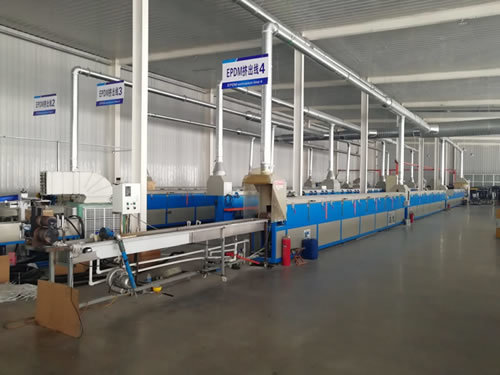
Our facility operates an integrated manufacturing process. We maintain strict control over every stage: raw material compounding, mixing, mold engineering, continuous curing, dynamic slicing, and corner molding. This unified structure minimizes dependence on external toll compounders, reducing manufacturing lead times to 7–10 working days for custom tooling profiles.
Our quality management systems are structured around international automotive guidelines. We perform comprehensive quality checks, including automated laser geometry inspection, continuous thickness analysis, compression deflection testing, and environmental chamber testing for ozone resistance and aging behavior.
Expert answers regarding compounding materials, customized tooling processes, and technical compliance.
Explore our secondary lineup of custom silicone gaskets, compression-set EPDM strips, and reinforced composite profiles built to high industrial standards.
 Haala Parts