Explore our premium engineered profiles configured for severe service parameters, industrial protection, and automotive safety requirements.
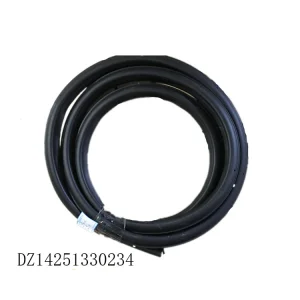
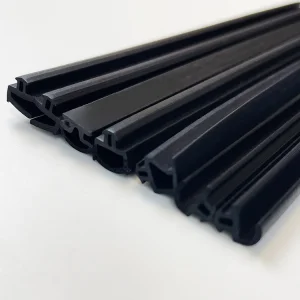
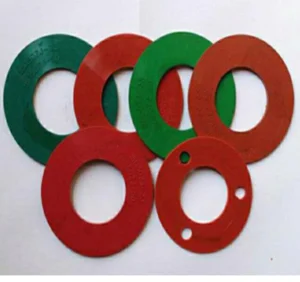

How extreme environmental forces drive the evolution of polymer chemistry and profile design in critical supply chains.
Modern industrial plants process increasingly complex chemicals, acids, and synthetic lubricants. Legacy rubber compounds break down, leading to hazardous leaks and cost-heavy system downtimes. Modern infrastructure requires engineered polymer barriers that resist chemical degradation.
Sealing materials in solar panels, high-voltage vehicle electrical enclosures, and automotive drivetrains face intense ambient swings—from sub-zero arctic temperatures to sustained internal operational heat exceeding 150°C. Material stability is a critical survival baseline.
Static seals are simple, but dynamic profiles—such as window glass runners, vehicle door weatherstrips, and heavy-machinery enclosures—must maintain sealing contact force across hundreds of thousands of cycles without developing permanent deformation or mechanical tearing.
A comparative structural overview of polymer selections customized by Zhejiang Haala for extreme industrial environments.
| Elastomer Family | Hardness Range | Thermal Operating Envelope | Key Chemical Resistance Strengths | Typical Industrial Applications |
|---|---|---|---|---|
| EPDM (Ethylene Propylene Diene Monomer) | 40 - 90 Shore A | -45°C to +150°C | Excellent ozone resistance, weathering protection, ketones, polar solvents, water, steam. | Automotive door/window seals, building facade profiles, photovoltaic systems, electrical enclosures. |
| NBR (Nitrile Butadiene Rubber) | 50 - 90 Shore A | -30°C to +120°C | Superior oil, gasoline, diesel, mineral hydraulic oil, and petroleum fluid resistance. | Engine cylinder head gaskets, intake manifolds, fuel delivery line grommets, grease seals. |
| Silicone (VMQ) | 30 - 85 Shore A | -60°C to +230°C | Broadest thermal tolerance, non-reactive, outstanding weathering, food contact compliance. | Air conditioner seals, high-temperature pipes, dynamic oven gaskets, appliance insulating rings. |
| Fluorocarbon (FKM / Viton) | 65 - 90 Shore A | -20°C to +200°C | Exceptional resistance to aggressive acids, chlorinated hydrocarbons, chemical solutions. | Petrochemical valves, aerospace fuel line seals, industrial chemical transfer pipeline linings. |
| Modified PVC (Plasticized) | 50 - 95 Shore A | -25°C to +70°C | Consistent dimensions, excellent cost performance, colors available, good basic UV resistance. | Furniture edge trims, building interior trims, general window frames, transport containers. |
*Note on Custom Compounding: Zhejiang Haala operates an in-house compounding laboratory capable of tailoring additives (such as plasticizers, flame retardants, carbon blacks, and curing systems) to match highly specific chemical exposure specifications.
Zhejiang Haala Automotive Parts Co., Ltd. (operating in conjunction with local engineering campuses and specializing in high-performance polymer extrusion) is a medium-sized private enterprise focused on the production of various types of vehicle sealing strips. The company integrates scientific research, development, production, and sales into a streamlined operation.
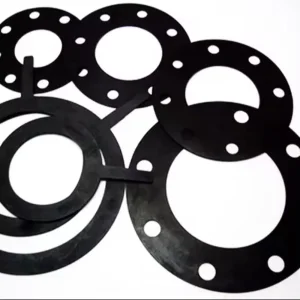
Operating out of our advanced manufacturing plant in Matun Industrial Zone, Qinghe County, our factory has built strong capabilities to deliver customized rubber, silicone, and composite profiles. We manage the entire lifecycle of industrial sealing production, including formula development, mold manufacturing, continuous vulcanization extrusion, and precision die-cutting.
Driven by the philosophy of "people-oriented, technology-driven", we focus on creating specialized profiles and delivering consistent value. Our factory welcomes partners looking for joint development and long-term supply relationships.
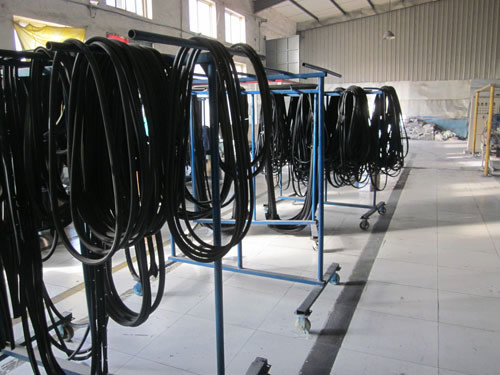
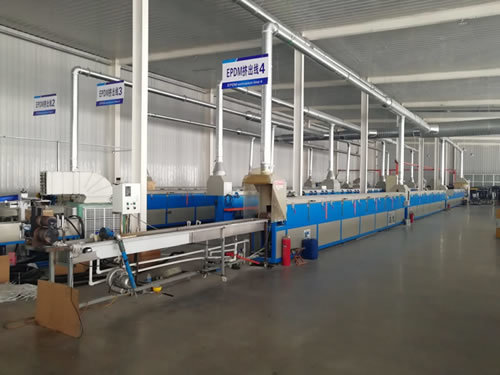
Combining design flexibility with strict quality control to deliver high-performance industrial sealing profiles.

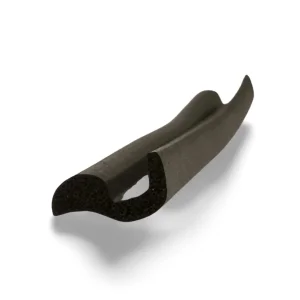
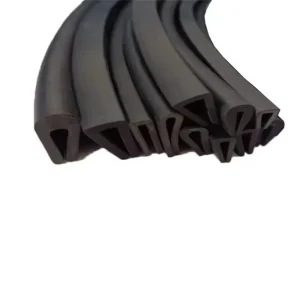
Our production facilities include EPDM extrusion lines, rubber molding machines, flat vulcanizers, and precision extruders. We process E-type, P-type, D-type, and customized multi-composite sealing strips. Our capabilities range from single density sponge or dense rubber to multi-material composites reinforced with steel wire cores, interior decorative inserts, or pressure-sensitive self-adhesive backings.

We manage our production process through a unified system that links raw material compounding, tooling development, profile extrusion, and quality testing. Our laboratory conducts testing for aging, tensile strength, ozone resistance, and compression set. This setup allows us to quickly adjust profiles to meet specific customer requirements while ensuring consistent quality.

Our products are supplied to customers in Germany, the United States, Japan, France, Brazil, Russia, Australia, India, Turkey, Iran, and Nigeria. We serve industrial equipment builders, automotive tier-1 suppliers, window manufacturers, and refrigeration system integrators, providing reliable sealing solutions globally.
How our base in China's industrial rubber cluster translates into shorter lead times and reliable supply chain security.
Located in Qinghe County, our factory benefits from a comprehensive raw material supply base, specialized engineering services, and tool manufacturing providers. This cluster lets us source key materials and specialized components locally, keeping our tooling costs low and enabling rapid prototyping cycles.
By designing and machining our extrusion dies in-house, we reduce the typical OEM product modification cycle. Changes to profiles or dimensions can be completed quickly, minimizing assembly line delays. This control helps lower the initial cost and development risks for custom projects.
We maintain close partnerships with raw material suppliers to ensure a steady supply of high-grade EPDM, NBR, and FKM polymers. This material control helps us avoid production halts caused by market shortages, keeping our delivery schedules reliable.
Our proximity to major logistics hubs and shipping ports like Tianjin, Qingdao, and Shanghai allows for flexible shipping options. We offer multiple shipping terms including FOB, CIF, DDU, and DDP to simplify customs clearance and delivery for our global customers.
How our sealing solutions are deployed to protect infrastructure, vehicles, and industrial machinery.
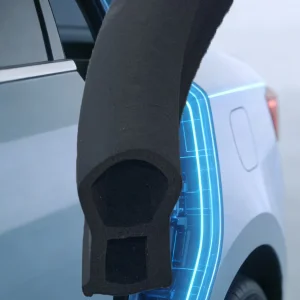
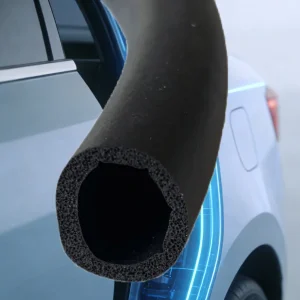
From door and trunk weatherstripping to heavy-duty truck cabin seals (such as Shacman X3000 parts), our EPDM weatherstrips and dense-sponge composite seals provide long-term weather protection. They are designed to resist ozone degradation, mechanical wear, and high vibration loads over extended operation.
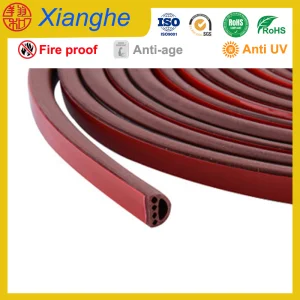
Our waterproof sealing strips for electrical boxes protect sensitive outdoor controls from moisture and dust intrusion. Made from high-recovery EPDM foam, they maintain consistent pressure against the cabinet frame, meeting IP65 to IP68 enclosure standards.
Used in commercial refrigerator doors and HVAC units, our food-grade silicone and flexible PVC strips seal cabinet interiors securely. They maintain flexibility at low temperatures, resist mildew growth, and minimize energy loss over high-cycle use.
Our EPDM solar panel frame seals are built to withstand continuous UV radiation and extreme outdoor temperatures. These profiles prevent moisture from entering the panel laminates, helping to protect electrical connections and extend system service life.
We supply glass press-in gaskets, curtain wall seals, and aluminum/plastic window strips that help improve building insulation and weather protection. These profiles are designed to handle thermal expansion and contraction in large structures.
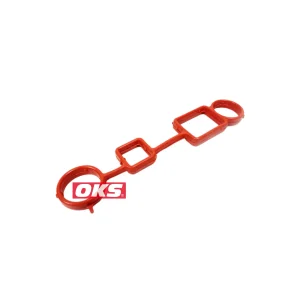
Designed for seals exposed to fuels and high temperatures, like engine intake manifolds and fuel lines, our NBR and FKM seals maintain structural integrity when in contact with hot oil, coolants, and chemical fluids.
Developing next-generation elastomeric materials to meet changing regulatory and technical requirements.
We are testing bio-sourced base rubbers and plasticizers to help reduce the environmental footprint of our profiles without affecting mechanical strength or aging properties.
We are refining our production methods to produce lightweight sponge cores with dense outer skins. This design helps lower product weight while maintaining excellent sealing pressure.
We are expanding our product range to include recyclable TPE and TPV compounds. These materials offer the physical properties of rubber with the recycling advantages of thermoplastics.
Ensuring our materials meet international standards and align with local manufacturing regulations.
Our raw material formulations undergo testing to ensure compliance with REACH, RoHS, and halogen-free directives. For food-contact and drinking water applications, we supply silicone compounds that meet FDA and NSF regulations.
We work to maintain uniform dimensions and material performance across all batches. Our quality control processes include profile dimension verification, regular checks on raw materials, and batch code tracking to support product traceability.
Common questions on material selection, tooling design, and customized development options.
The primary factor is contact with petroleum products or ozone. EPDM offers excellent resistance to weather, ozone, UV radiation, and water, but swells and degrades when exposed to petroleum oils, fuels, and mineral lubricants. NBR provides good resistance to petroleum-based fluids but degrades quickly in outdoor environments rich in ozone or UV. If your application involves both outdoor weathering and oil exposure, we can supply specialized compounds or co-extruded composite designs to address both requirements.
We produce our profiles in accordance with ISO 3302-1 Class E2 tolerances as standard, with the capability to meet Class E1 tolerances for high-precision projects. Our quality team uses optical measuring systems to verify cross-sectional dimensions during the extrusion run. Adjustments to process speed, temperature, and pressure are made in real time to keep dimensions stable across production runs.
Yes. We operate co-extrusion lines capable of combining up to three different material streams in a single pass. This allows us to produce profiles with a rigid steel or wire core for secure mechanical gripping, a dense rubber jacket for structural durability, and a soft EPDM sponge bulb for low-force compression sealing. These composite profiles are commonly used for automotive door openings and heavy machinery enclosures.
Based on DIN 7716 guidelines, EPDM-based sealing materials can be stored for up to 10 years without significant change in physical properties, provided they are kept in appropriate conditions. They should be stored in a cool, dry area (ideally under 25°C), away from direct sunlight, chemical vapors, electrical equipment that generates ozone, and heavy mechanical loads that could cause permanent deformation.
For custom profiles, our design team can complete CAD and tooling design within 3-5 days. Tool manufacturing and initial sample production (T1) generally take 7 to 10 days. Once the sample is approved by the customer, we can move directly into volume extrusion. Because we design and manufacture our tools in-house, we can offer custom prototyping at lower costs than many external shops.
For general assembly and light-duty outdoor seals, we offer standard acrylic-based adhesive tapes. For high-temperature environments or applications requiring long-term bonding to low-surface-energy plastics and metals, we recommend premium pressure-sensitive adhesives (PSA) or heat-activated fiberglass-reinforced tapes. Our engineers can recommend the most suitable adhesive backing based on your surface material and environmental conditions.
Detailed product configurations, specialty profiles, and custom dimensions designed for global distribution.
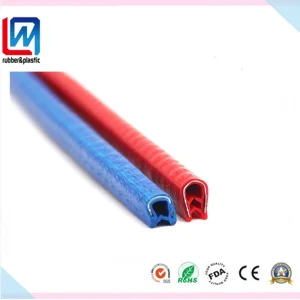
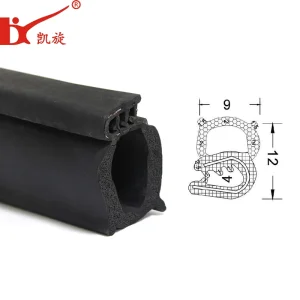
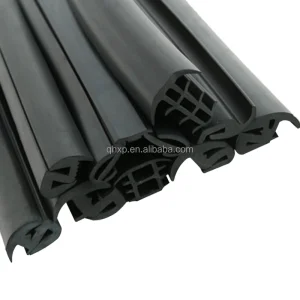
 Haala Parts