Engineered rubber profiles optimized for wind noise attenuation, acoustic isolation, and long-term durability
In modern automotive engineering, the cabin experience has evolved from a functional interior into a high-tech sanctuary. Key to this transition is the optimization of NVH (Noise, Vibration, and Harshness) parameters. As electric vehicles (EVs) rapidly gain market share, the absence of combustion engine hum has amplified secondary noises. Wind whistle, tire tread resonance, and external environmental noise are now primary disruptors of cabin comfort. Consequently, high-performance sealing systems have transitioned from simple water-shedding components to critical acoustic barriers.
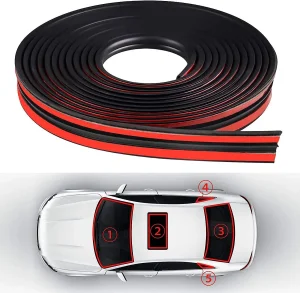
Automotive wind noise reduction seals play a decisive role in isolating the passenger compartment from turbulent aerodynamic boundary layers, especially at speeds exceeding 80 km/h. To achieve effective acoustic attenuation, manufacturers employ highly precise polymer chemistry, complex multi-material co-extrusions, and meticulous geometry. The global procurement demand for these components has intensified, driving suppliers to refine their material formulations and production tolerances to meet strict international standards.
The shift toward electrification is driving significant changes in automotive seal specifications. EV manufacturers require rubber formulations with lower specific gravity to minimize overall curb weight, thereby extending battery range. Furthermore, because electric motors generate negligible noise, high-frequency wind leakage through sunroof boundaries, window run channels, and vertical A-pillar junctions becomes highly noticeable. Sealing systems must maintain robust compression force over the vehicle's lifespan while resisting degradation from ozone, heat, and ultraviolet radiation.
A vertically integrated manufacturer combining advanced polymer science with complete testing systems
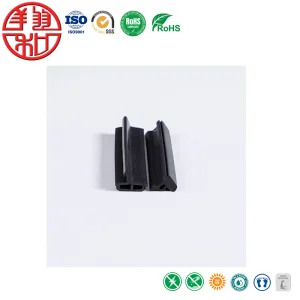
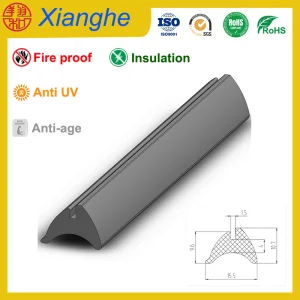
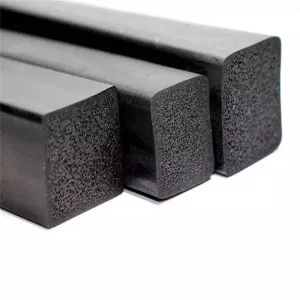
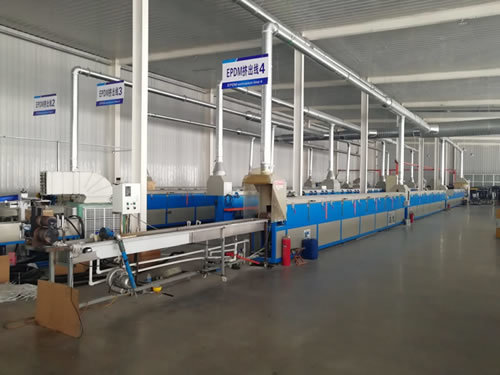
We operate advanced continuous vulcanization lines for EPDM and silicone extrusions. Our factory handles dense, sponge, metal-reinforced, and flock-coated profiles in single-pass, dual-component, or multi-composite processes.
Our quality assurance includes testing for ozone resistance, compression deflection, tensile strength, and cold temperature elasticity. This helps ensure each batch matches the tight tolerances needed for automotive production.
Our products are shipped worldwide to markets including Germany, the United States, Japan, France, Brazil, India, Australia, and Türkiye. We supply both OEM lines and Tier-1 assembly partners.
Selecting the right elastomer is crucial for wind noise seals. Ethylene Propylene Diene Monomer (EPDM) is the primary material used due to its ozone resistance, chemical stability, and broad thermal performance range (-40°C to +120°C).
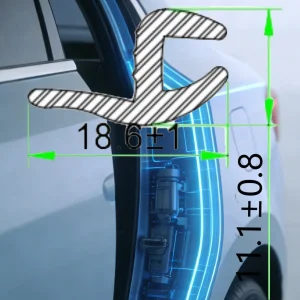
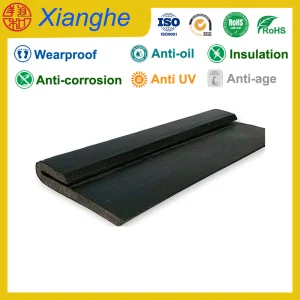
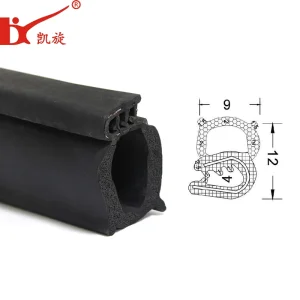
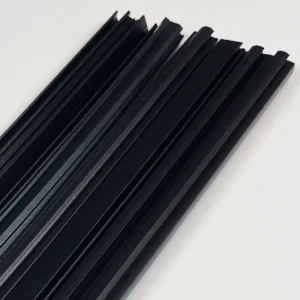
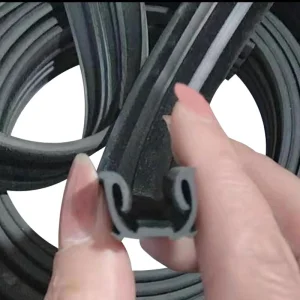
To balance acoustic sealing and door closure forces, manufacturers design composite profiles using co-extrusion technology. By combining high-density EPDM for structural anchor points with microcellular EPDM sponge rubber for the compressible sealing bulb, suppliers can minimize closing forces while preventing air gaps. Internal metal carriers (steel wire mesh or stamped aluminum) are often embedded to ensure secure mechanical retention on the body flange.
To lower surface friction against moving glass pane surfaces, a low-friction flock layer or polyurethane/silicone coating is applied inline. This treatment prevents squeaks and rattles while protecting the elastomer from wear.
Modern automotive glass runs and weatherstripping require different geometries to isolate noise along different parts of the vehicle body. We develop custom-engineered solutions for every critical boundary point:
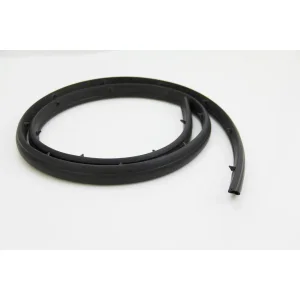
Designed with EPDM dense rubber and sponge rubber bulbs. They absorb shock and seal against air leaks, dust, and water around door closures.
Multi-extrusion designs containing steel carriers and dynamic flocked lips. These profiles guide window glass smoothly while blocking high-velocity crosswinds.
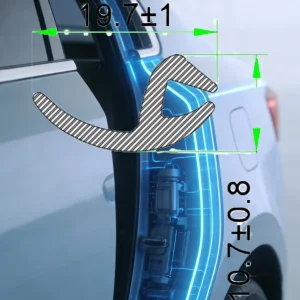
Engineered with ozone-resistant silicone and EPDM composites. They prevent wind noise and whistle at high speeds while accommodating thermal expansion.
As a medium-sized private enterprise, Zhejiang Haala Automotive Parts Co., Ltd. (also operating with production bases designated as Hebei Ruiyuan Automotive Parts Co., Ltd.) integrates scientific research, development, production, and sales. Located in the Matun Industrial Zone of Qinghe County, we have nearly ten years of experience in producing vehicle sealing strips.
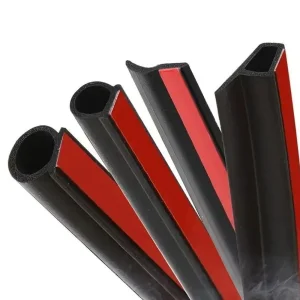
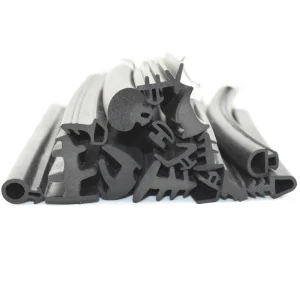
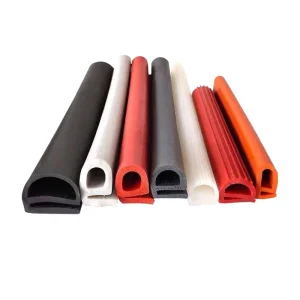
We manufacture a wide range of automotive sealing strips, door and window seals, air conditioning strips, furniture and electrical seals, foam profiles, mechanical gaskets, windshield channels, and decorative trim. Our profile capabilities include E-type, P-type, and D-type configurations, pure EPDM sponge rubber, dense-sponge-steel triple composites, four-material composites, soft-hard co-extrusions, modified PVC strips, glass curtain wall seals, container door gaskets, and flame-retardant silicone pipes.
By combining raw material compounding, tooling design, and continuous extrusion in-house, we can maintain tight dimensional control and adapt formulations to specific performance standards.
Expert answers on material selection, compliance, and acoustic design guidelines
High-elasticity gaskets, composite channels, and custom extrusions for automotive and industrial systems
 Haala Parts