Engineered to meet rigorous automotive NVH (Noise, Vibration, Harshness) requirements and extreme environmental weathering standards.
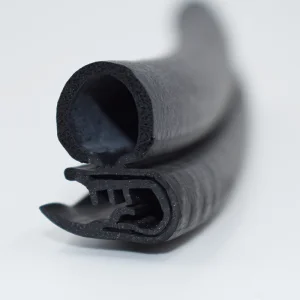
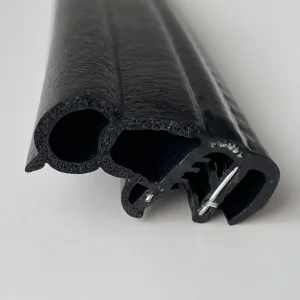
The global automotive exterior weather sealing industry is experiencing its most transformative decade, driven heavily by rapid vehicle electrification, stringent weight-reduction mandates, and enhanced acoustic cabin requirements. Weatherstripping is no longer viewed as a simple rubber barrier. It is now a critical, multi-material engineering component directly impacting a vehicle’s aerodynamic efficiency, passenger cabin acoustics, and structural integration.
Historically, EPDM (Ethylene Propylene Diene Monomer) has been the undisputed standard for exterior automotive seals due to its superior resistance to UV, ozone, and thermal cycling. However, the modern transition toward circular economies and lightweight EV configurations is boosting the adoption of TPE (Thermoplastic Elastomers) and TPV (Thermoplastic Vulcanizates).
Thermoplastic alternatives offer a major advantage: 100% recyclability. In contrast to thermoset EPDM, which undergoes an irreversible chemical cross-linking process during vulcanization, TPEs can be remelted and reprocessed. Additionally, TPV compounds exhibit density values up to 20-30% lower than traditional EPDM formulations, helping Tier-1 OEMs trim key grams from the vehicle's body-in-white (BIW), directly extending electric driving range.
In internal combustion engine (ICE) vehicles, high-frequency wind and road noises are frequently masked by engine combustion frequencies. In contrast, electric powertrains are virtually silent. This absence of engine noise amplifies secondary cabin noises like aerodynamic wind hiss and tire-road interaction. Weatherproofing components must now feature advanced, multi-cellular structural designs. Dynamic seals, such as primary door seals and window run channels, must minimize insertion forces while maximizing retention and sealing performance to successfully isolate wind frequencies between 2 kHz and 8 kHz.
Modern Tier-1 and OEM automotive procurement structures demand manufacturing partners who offer more than basic components. Success requires advanced prototyping, strict standards compliance, and highly secure supply chain operations.
Global automotive supply chains rely on zero-defect manufacturing. Facilities must be certified under the IATF 16949:2016 quality management system. Materials must also strictly comply with regulatory standards like REACH and RoHS, and meet specific OEM weathering specs (such as ASTM D1149 ozone testing and long-term compression set analysis).
Rapid deployment cycle times require co-design capabilities. Leveraging in-house CAD/CAM tooling facilities and modern CNC machining allows suppliers to design complex co-extrusion dies (sponge EPDM + dense EPDM + metal carrier + slip coating) in days instead of weeks, greatly accelerating product development loops.
As post-pandemic automotive supply chains recalibrate, dynamic logistics models and robust material buffer programs are vital. Diversified global sourcing models and flexible regional shipping solutions protect against supply disruptions, ensuring assembly lines keep moving.
In automotive parts manufacturing, the integration of Industry 4.0 principles has shifted from a competitive edge to a baseline standard. Located in key manufacturing hubs, Chinese factories—such as Zhejiang Haala Automotive Parts Co., Ltd. and manufacturing facilities in Qinghe (like Hebei Ruiyuan Automotive Parts Co., Ltd.)—demonstrate how combining localized material ecosystems with advanced automation optimizes global supply chains.
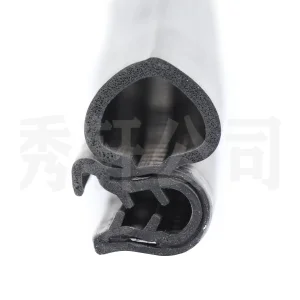
Modern weather sealing production relies on high-speed continuous co-extrusion technology. Advanced extrusion lines run dense and sponge rubber compounds simultaneously with steel wire carriers. This process creates a reinforced seal profile in a single pass. Automated microwave vulcanization systems ensure even heating throughout the profile. This step locks in optimal mechanical properties and controls tolerances down to the millimeter.
To eliminate manual inspection variables, smart factories utilize inline optical monitoring systems. These high-speed cameras scan the profile geometry as it leaves the cooling baths, comparing cross-sections to design CAD files in real time. Any deviations are flagged instantly, ensuring every meter of rubber shipped meets tight tolerances.
A premier global manufacturer and exporter specializing in scientific research, development, and high-precision production of vehicle sealing systems.
Zhejiang Haala Automotive Parts Co., Ltd. is a medium-sized private enterprise dedicated to manufacturing vehicle sealing strips. By integrating scientific research, product development, high-volume production, and international sales networks, we provide comprehensive sealing solutions. Over years of focused manufacturing development, our facilities have matured into complete, one-stop operations. Our capabilities span from initial raw material preparation and compound formulation to custom mold development and final product extrusion.
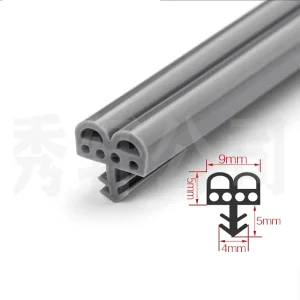
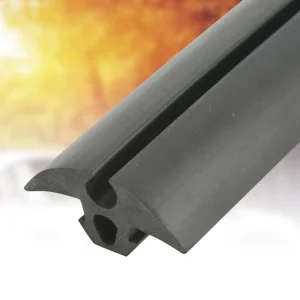
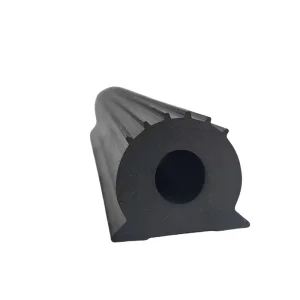
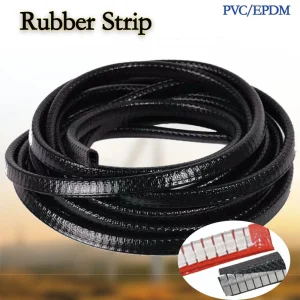
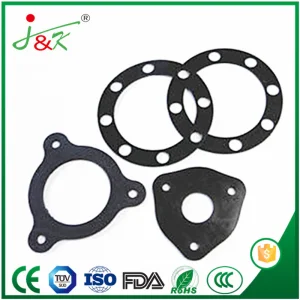
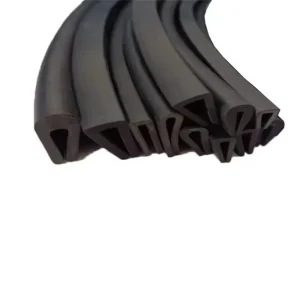
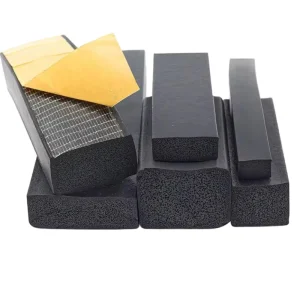
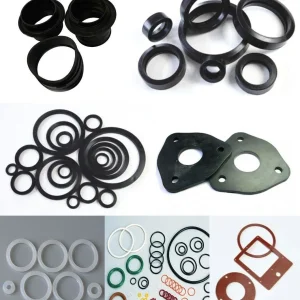
Our company specializes in producing an extensive range of sealing profiles, including: automotive sealing strips, door and window sealing strips, air conditioning seals, furniture sealing strips, electrical enclosure seals, foam sealing profiles, mechanical seals, windshield molding, decorative strips, skeleton-reinforced strips, and specialized E-type, P-type, and D-type profiles. Our advanced capabilities in compounding and extrusion allow us to engineer triple-composite profiles, dense sponge steel core composite strips, and soft-hard multi-material plastic profiles.
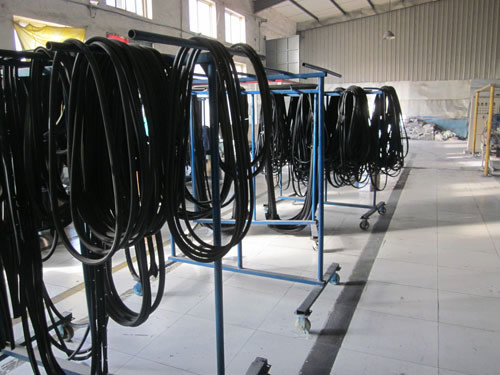
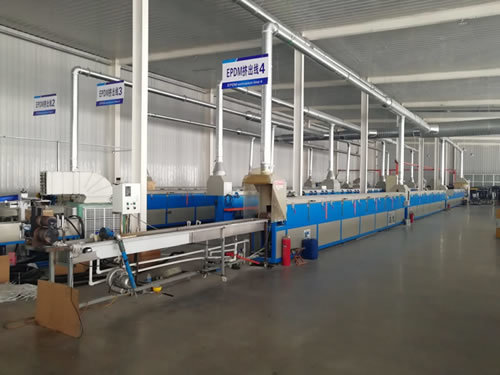
Delivering engineering excellence, global supply security, and verified testing capabilities.

Our facility specializes in high-volume, professional production of automotive sealing strips, window runs, air conditioning profiles, furniture gaskets, electrical seals, and EPDM/TPE foam sealing profiles.

Leveraging engineering experience and strong technical capabilities, we employ complete, rigorous material testing methods. Our one-stop manufacturing ecosystem covers raw material formulation, tooling mold development, and high-speed profile molding.

Our products are exported globally, serving clients in Germany, Japan, the United States, France, Iran, Australia, Türkiye, India, Nigeria, Brazil, Russia, and beyond. This global reach has earned our products consistent praise for performance and dependability.
Our sealing profiles are engineered to deliver reliable performance across diverse sectors, including passenger vehicles, public transit systems, marine environments, and commercial building applications.
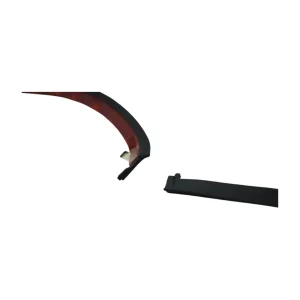
We provide primary and secondary door seals, glass-run channels, and hood seals for automotive lines. These systems are optimized to block wind noise, prevent moisture intrusion, and maintain high performance across extreme temperature ranges.
For heavy transport cabs, agricultural machinery, and heavy equipment, our heavy-duty anti-collision seals and custom gaskets provide vibration damping and dust protection in harsh, demanding work environments.
Our flame-retardant and fireproof EPDM seals are engineered for high-speed rail doors, transit window frames, and container doors, meeting international transport safety and durability standards.
We manufacture weather-resistant window glass pressure strips, modified PVC profiles, and building rubber seals. These parts prevent water ingress and improve insulation performance in modern building designs.
Find answers to common questions about materials, custom tooling, performance specifications, and order placement processes.
Custom-extruded and molded components designed to prevent water ingress, isolate vibration, and protect critical components.
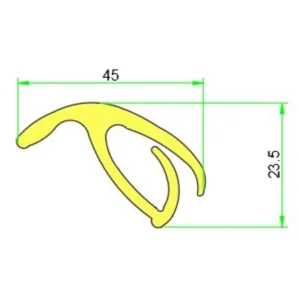
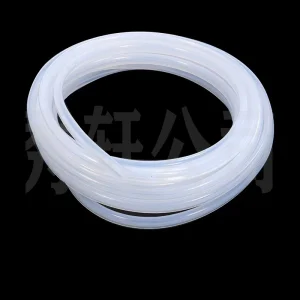
 Haala Parts