When it comes to enhancing door functionality, Universal Door Rubber Seals play a vital role. These seals are essential for ensuring energy efficiency and preventing drafts. With a myriad of options available, choosing the right seal can be overwhelming.
Consider the specific type of door you have. A thicker seal may work better for an exterior door, while a thinner option might suffice for interior doors. Also, assess the climate in your area. A seal that withstands harsh winters is different from one made for milder regions.
It's easy to overlook trivial details like the seal material. Some may degrade quickly or fail to create a proper seal. Features like UV resistance and flexibility are crucial too. By paying attention to these aspects, you can choose the best Universal Door Rubber Seals. Reflecting on these details can lead to better performance and longevity for your doors.
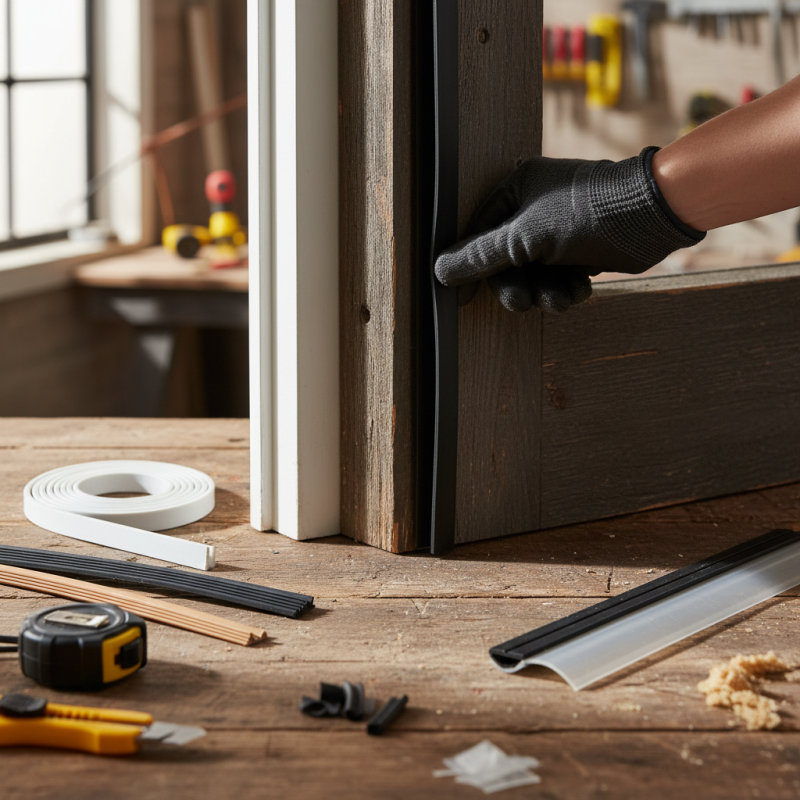
When selecting universal door rubber seals, it's crucial to consider several factors. According to a recent industry report, nearly 30% of energy loss in homes can occur through unsealed doors. Choosing the right seal can enhance insulation, minimize noise, and reduce energy costs.
One important tip is to measure the door accurately. Incorrect measurements can lead to poor sealing and wasted materials. Ensure that you check both width and height. The seal should sit flush against the door, allowing for a tight fit.
Another consideration is the material. Rubber seals are typically durable and resistant to weather elements. A study shows that silicone seals can offer better longevity than traditional rubber. However, they might come at a higher cost. It’s worth reflecting on the balance between price and durability for your specific needs.
Don’t overlook the installation process. Some seals require adhesive backing, while others simply slide into a channel. Make sure you review the installation instructions. Gaps can compromise effectiveness and lead to recurring issues. Keep in mind that not every product on the market is designed for all climates or door types. This choice impacts long-term performance and satisfaction.
| Feature | Consideration | Examples |
|---|---|---|
| Material Quality | Choose durable and weather-resistant materials. | EPDM rubber, silicone |
| Size Compatibility | Ensure seals fit the door dimensions properly. | Standard sizes, custom fit options |
| Installation Method | Select seals that are easy to install without special tools. | Adhesive back, clip-on types |
| Thermal Insulation | Look for seals that provide good thermal insulation properties. | Multi-layered seals |
| Noise Reduction | Consider seals that help minimize noise intrusion. | Acoustic seals |
| Color and Aesthetic | Select colors that match or complement the door and frame. | Black, brown, grey |
: Common materials include EPDM, neoprene, and silicone rubber. Each has unique benefits.
EPDM is durable and weather-resistant. It withstands extreme temperatures and is suitable for outdoor use.
The thickness of the seal matters. Thicker seals often provide better insulation. Gaps can cause drafts.
Yes, silicone rubber excels in high temperatures and resists aging. However, it may be pricier.
Installation is critical. A poorly installed seal can lead to gaps and reduce effectiveness. Measure twice, cut once.
Re-evaluate your measurements. It's okay to make mistakes; they can help improve your skills.
Absolutely. Different climates require different materials. Assess humidity and temperature before deciding.
Yes, they are often easy to use compared to those needing tools. Make sure surfaces are clean and dry.
Test under various weather conditions. Ensure the seal fits well to avoid moisture leaks.
Poor alignment can cause gaps. Rush jobs may lead to ineffective sealing. Take your time and check your work.
Choosing the right Universal Door Rubber Seals is crucial for ensuring energy efficiency and protection against the elements. When selecting these seals, it's important to consider various factors, including the type of rubber material best suited for your specific needs. Different types of rubber provide varying levels of flexibility, durability, and weather resistance, all of which significantly impact performance.
Moreover, evaluating the sizing and fitting of these door seals is essential for optimal functionality. Properly sized seals ensure a tight fit, preventing drafts and water intrusion. Finally, balancing quality with cost-effectiveness can help you find a reliable solution that fits your budget while still providing the necessary protection. By focusing on these essential considerations, you can make an informed decision when choosing Universal Door Rubber Seals for your doors.

 Haala Parts