Selecting the right seals for automotive applications is critical. High temperature environments can create challenges. Understanding how to choose high temperature resistant seals for cars ensures longevity and performance.
When selecting seals, consider the material. Different materials withstand various temperature ranges. For instance, silicone seals offer good heat resistance. However, they may not perform well under certain conditions. Likewise, fluorocarbon seals provide excellent durability but can be cost-prohibitive.
Evaluate the specific application and environment. Factors such as pressure, chemical exposure, and temperature variations play a role in seal performance. Finding the right balance is essential. Even minor mistakes in selection can lead to failures. Therefore, careful assessment is necessary. Understanding these nuances strengthens your decision-making process. It reflects your commitment to quality and reliability in automotive maintenance.
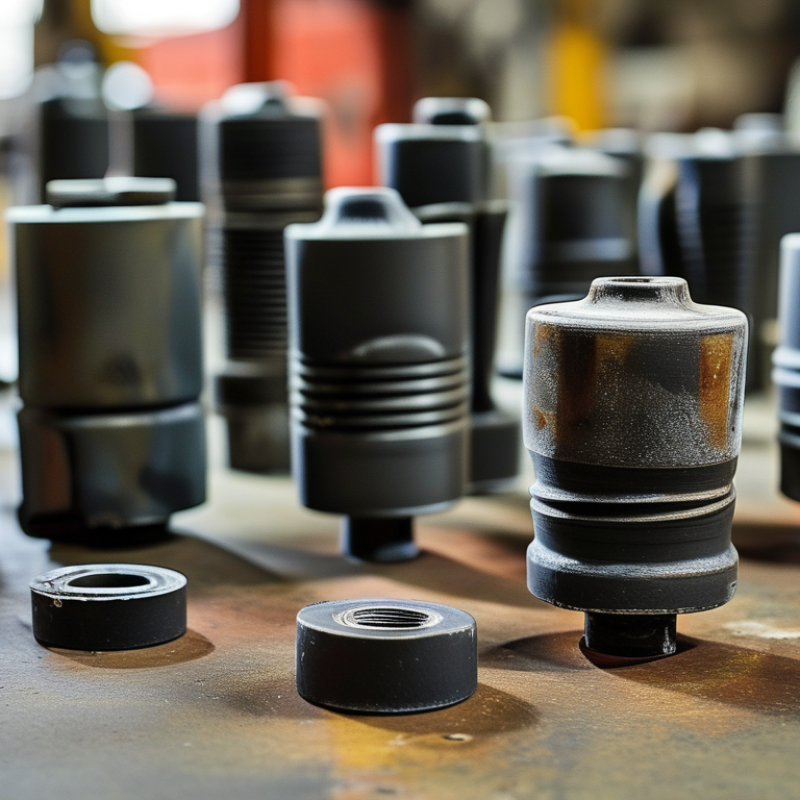
High temperature resistant seals play a vital role in automotive applications. They are essential for maintaining performance under extreme conditions. These seals prevent fluid leakage and protect internal components from contaminants. Without them, vehicles can face significant issues, leading to costly repairs.
Understanding the environment in which these seals operate is crucial. Engines generate heat that can exceed 200°C. The materials used in high temperature seals must withstand this heat without breaking down. Common materials include fluoropolymers and silicone, which retain their integrity under stress. However, not all seals are created equal. Some may lose flexibility over time, causing potential failure.
Selecting the right seal requires careful consideration of several factors. The seal's compatibility with the specific fluids in your vehicle is key. Additionally, factors like installation methods and environmental conditions can impact seal performance. Engineers often rely on experience and testing to make better choices. Regular maintenance can also help identify issues early, preventing catastrophic failures. Each choice shapes vehicle reliability and efficiency.
High temperature resistant seals are crucial in automotive applications. The materials chosen for these seals greatly impact vehicle performance and longevity. Commonly used materials include fluorocarbon elastomers, silicone rubber, and polytetrafluoroethylene (PTFE). According to a 2022 report from the Automotive Sealing Association, seals made from these materials can withstand temperatures exceeding 230 degrees Celsius.
Fluorocarbon elastomers offer excellent chemical resistance and thermal stability. They perform well in extreme environments, making them popular in high-performance engines. Silicone rubber, on the other hand, is valued for its flexibility and ability to endure temperature fluctuations. Its effective sealing properties are essential in preventing leaks in critical engine components. PTFE, known for its low friction properties, is often utilized in seals where movement is involved.
Not all materials perform equally well in every scenario. Sometimes, seals can fail due to environmental factors or improper installation. A 2021 survey indicated that 15% of seal failures in vehicles resulted from choosing the wrong material for specific conditions. Engineers must carefully evaluate the application requirements to select the right seal. This entails understanding the thermal and chemical challenges the seals will face in real-world scenarios.
Selecting high temperature resistant seals for automotive applications requires careful consideration of several factors.
Material compatibility is paramount. Different materials react differently to heat, which can affect performance.
For example, silicone might handle high temperatures well, but it may not suit all environments.
A report by the Society of Automotive Engineers highlights that nearly 30% of automotive failures stem from improper sealing materials.
Another critical aspect is the operational environment. Seals face not just heat but also pressure, chemicals, and moisture.
Testing data shows that seals subjected to extreme temperatures above 130°C for extended periods can lose integrity, impacting vehicle performance.
Account for the vehicle's specific operating conditions. Understand where the seal fits and the maximum temperatures it will encounter.
The design of the seal plays a vital role in its effectiveness. Different shapes, sizes, and profiles can significantly influence performance.
For instance, O-rings might provide a better seal in some applications than flat gaskets.
However, use of inappropriate sizes can lead to leaks.
Industry analysis indicates that improper sealing design increases maintenance costs by up to 20%.
Evaluating these factors thoroughly can enhance the reliability and durability of high temperature resistant seals in automotive applications.
High temperature resistant seals are vital in automotive applications. Their performance can be influenced by several factors including material choice and environmental conditions. It is essential to understand the testing and certification standards associated with these seals to ensure their efficacy.
Various organizations establish standards for high temperature seals. The American National Standards Institute (ANSI) and the Society of Automotive Engineers (SAE) play key roles in certification. According to a report from the ASTM International, seals need to undergo rigorous thermal aging tests. These tests often simulate conditions experienced in automotive engines. They expose seals to high heat for extended periods to assess durability. Reports indicate that seals endure temperatures up to 300°C without losing critical properties.
Material selection is not just about heat resistance. Compatibility with fluids and application environments must also be evaluated. For instance, silicone and fluorocarbon are often used due to their resilience. However, it’s crucial to consider their limitations. Over time, even the best materials can degrade. Data suggests that up to 30% of high temperature seals fail due to chemical interactions with engine oils. This reflects the need for thorough testing and re-evaluation of materials over time to maintain performance.
High temperature resistant seals play a crucial role in the automotive industry. They are essential in various applications where extreme heat is generated. Common areas include engine components, turbochargers, and exhaust systems. In these parts, seals must withstand significant thermal stress. They help maintain high performance and efficiency.
To select the right seal, consider the operating temperature range. Different materials are suitable for different heat thresholds. For example, silicone and fluorosilicone are popular choices. They offer excellent heat resistance. However, not all seals can handle aggressive media encountered in engines. This aspect can lead to premature failures if overlooked.
Tips: Always assess the environmental factors in your application. Analyze the exposure to chemicals and oils. This information is vital for choosing a durable seal. Regular inspections can prevent unexpected breakdowns. Small signs of wear can mean bigger issues later. Therefore, staying proactive about seal maintenance will save time and money.
: Material compatibility, operational environment, and seal design are crucial factors for high temperature resistant seals.
Different materials react to heat differently. Choosing the right material ensures performance in specific environments.
Seals endure heat, pressure, and moisture. Extreme conditions can lead to integrity loss and poor vehicle performance.
Seal shapes and sizes influence effectiveness. For example, O-rings may work better than flat gaskets in certain applications.
High temperature seals undergo rigorous tests to simulate automotive engine conditions. These tests evaluate durability and material performance.
Seals must also withstand fluid interactions. Chemical compatibility impacts long-term performance and can lead to seal degradation.
High temperature seals are common in engine components, turbochargers, and exhaust systems where extreme heat is prevalent.
Early detection of wear prevents unexpected failures. Proactive maintenance saves time and reduces costs in the long run.
Up to 30% of seals fail due to chemical interactions with engine oils. Proper material evaluation is necessary.
Consider environmental factors and potential chemical exposures to ensure long-lasting performance and avoid premature failure.
High temperature resistant seals play a crucial role in the automotive industry, ensuring optimal performance and safety under extreme conditions. When considering how to choose high temperature resistant seals for cars, it is essential to understand the key materials used, such as silicone and fluorocarbon, which offer superior heat resistance. Additionally, factors like chemical compatibility, mechanical properties, and environmental conditions must be taken into account to ensure longevity and reliability.
Testing and certification standards are vital to validate the quality and effectiveness of these seals, as they must endure rigorous automotive applications, from engines to exhaust systems. By comprehensively assessing the material properties and application requirements, manufacturers can select the appropriate seals that meet performance expectations while adhering to industry standards.

Haala Parts