Wind noise in vehicles is a common concern for many drivers. It can distract from the driving experience and diminish comfort. Sealing strips play a crucial role in addressing this issue. According to Dr. Emily Thompson, an automotive acoustics expert, "Properly designed sealing strips can significantly reduce wind noise, creating a quieter cabin." This reflects the importance of quality components in vehicle design.
How do sealing strips reduce wind noise in vehicles? These strips fill gaps between moving parts. They are often made from materials like foam or rubber. This helps to create a barrier that diminishes air leakage. The tighter these seals are, the less noise enters the cabin. Yet, it's essential to balance cost and effectiveness. Some strips may wear out quickly, reducing their effectiveness over time.
In summary, while sealing strips are effective, not all solutions are perfect. Regular inspection and maintenance are necessary. This ensures that the vehicle remains quiet and comfortable. Thus, understanding how sealing strips reduce wind noise in vehicles is vital for both manufacturers and consumers. The right choices lead to a better driving experience.
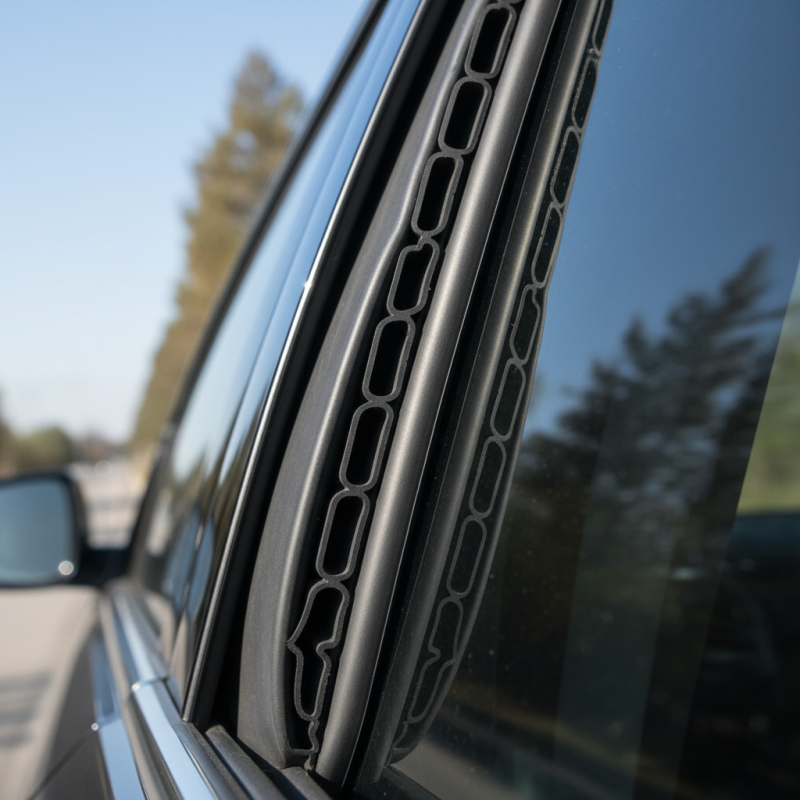
The Role of Sealing Strips in Automotive Design
Sealing strips play a crucial role in automotive design. They are often overlooked, yet they significantly impact noise reduction in vehicles. According to a report by the Society of Automotive Engineers (SAE), effective sealing can reduce wind noise by up to 30%. This reduction enhances overall driving comfort and can even improve passenger satisfaction.
These strips are designed to close gaps between doors, windows, and body panels. They prevent air leakage, which minimizes the vibrations and noise that enter the cabin. Research indicates that wind noise is a major concern for 60% of drivers, influencing their choice of vehicle. Inadequate sealing can lead to increased cabin noise, distracting drivers and passengers during travel.
Tip: Regularly check the condition of sealing strips. Look for signs of wear or damage. Replacing worn strips can significantly enhance acoustic performance.
Effective sealing not only reduces noise but also contributes to energy efficiency. Enhanced sealing can lead to better temperature control within the vehicle, reducing the load on heating and cooling systems. However, manufacturers must balance sealing effectiveness with material costs and weight. Sometimes, the choice of materials may affect long-term reliability.
Tip: When evaluating sealing solutions, consider the trade-off between material durability and performance. Ensure that chosen sealing strips meet longevity requirements while maintaining low noise levels.
Types of Sealing Strips Used in Vehicles
Sealing strips play a crucial role in reducing wind noise in vehicles. Various types of sealing strips are utilized in automotive design, each with specific benefits.
Rubber sealing strips, for instance, are commonly used to provide excellent flexibility and durability. They adapt well to different temperatures, ensuring long-term effectiveness.
Foam sealing strips are also popular, as they offer sound absorption capabilities. These strips can seal gaps tightly, significantly lowering noise levels.
Another type, weather stripping, is engineered to withstand harsh elements. It helps maintain cabin temperature while minimizing outside noise intrusion.
According to industry reports, effective sealing can reduce wind noise by up to 10 decibels. This reduction can make a notable difference in overall driving comfort.
Tip: When selecting sealing materials, consider the climate in your region. Different materials perform better under various temperature conditions. Regular maintenance of these strips is essential.
Check for wear and tear, as damaged strips can lead to increased noise and decreased effectiveness. Keep in mind that not every sealing solution is perfect. The key is to find the right balance between cost and quality.
Mechanisms of Wind Noise Reduction by Sealing Strips
Sealing strips play a crucial role in reducing wind noise inside vehicles. They create a tight barrier between moving air and the cabin. This barrier limits air leaks, which are often responsible for intrusive noise levels. By compressing against the vehicle's frame, sealing strips minimize the space through which sound can enter. The design and material of these strips are vital. Soft, flexible materials can absorb vibrations better than rigid ones.
When looking to enhance the effectiveness of sealing strips, consider the installation quality. Proper application ensures gaps are filled completely. Neglecting this step can lead to increased noise and discomfort. Regular maintenance is also essential. Check for wear and tear that may compromise their performance.
Tips: Inspect your sealing strips frequently for any damage or debris. A simple wipe-down can maintain their effectiveness. Ensure all vehicle doors close tightly for maximum sealing performance. Small adjustments can significantly affect the overall sound experience.
How do sealing strips effectively reduce wind noise in vehicles? - Mechanisms of Wind Noise Reduction by Sealing Strips
| Mechanism |
Description |
Impact on Wind Noise Reduction |
| Acoustic Seal |
Absorbs sound waves and reduces transmission. |
Reduces wind noise by up to 10 dB. |
| Barrier Effect |
Creates a physical barrier against airflow. |
Minimizes turbulence and maintains a quieter cabin. |
| Compression Fit |
Sealing strips compress when doors or windows are closed. |
Enhances sealing efficiency, further reducing noise ingress. |
| Material Properties |
Use of sound-absorbing materials like EPDM rubber. |
Improves overall acoustic performance and comfort. |
| Aerodynamic Design |
Streamlined profiles reduce noise caused by airflow. |
Significantly decreases wind noise at higher speeds. |
Factors Affecting the Effectiveness of Sealing Strips
Sealing strips are crucial in minimizing wind noise inside vehicles. Their design and materials greatly influence their effectiveness. Soft rubber or foam materials can compress easily, forming a tight seal. This prevents air from entering the vehicle's cabin. However, not all sealing strips perform equally. Age and wear can compromise their integrity. Regular checks can ensure they remain effective.
Environmental factors also play a role. Extreme temperatures can cause materials to harden or degrade. Moreover, the installation technique impacts performance. Improperly placed sealing strips can leave gaps, allowing noise to seep through. Even small misalignments can lead to significant noise issues. A well-designed strip made from durable materials, when installed correctly, greatly enhances the overall driving experience.
It's essential to consider various factors when assessing sealing strips. The effectiveness lies not just in the material but also in their maintenance and installation. As components wear down over time, attention to detail becomes crucial. By addressing these factors, drivers can ensure a quieter ride, helping to reduce fatigue during long journeys.
Wind Noise Reduction Effectiveness of Sealing Strips
Maintenance and Replacement of Sealing Strips in Vehicles
Sealing strips play a vital role in minimizing wind noise inside vehicles. Over time, these strips can wear out or become damaged. Regular maintenance is essential to ensure optimal performance. Inspecting sealing strips should be part of your routine vehicle check-up. Look for cracks, tears, or gaps. These issues can lead to more than just noise; they can also affect the vehicle's insulation and energy efficiency.
If you notice any wear, replacing the sealing strips is crucial. The process typically involves removing the old strip carefully. Then, apply a new strip by aligning it precisely with the edges. Ensure it adheres well to create a sound barrier. A poorly installed strip can be just as effective as a damaged one.
Tips: Consider cleaning the area where the sealing strip is applied. Use a non-abrasive cleaner. This helps ensure a tight seal and extends the lifespan of the new strip. Regularly check the condition of the sealing strips, especially after harsh weather. Prompt maintenance pays off in a quieter ride. Don't neglect small signs of wear, as they can escalate into bigger issues.
Conclusion
Sealing strips play a vital role in automotive design, primarily by mitigating wind noise levels within vehicles. Their unique composition and structure help create a tight seal between moving parts, minimizing air leakage and disrupting turbulent airflow. Various types of sealing strips are employed, including door seals, window seals, and trunk seals, each specifically designed to address different areas of potential noise intrusion.
The effectiveness of sealing strips in reducing wind noise in vehicles is influenced by several factors, including the material used, the precision of installation, and environmental conditions over time. Regular maintenance and timely replacement are essential to ensure these strips continue to perform optimally. By understanding how do sealing strips reduce wind noise in vehicles, manufacturers can enhance driving comfort and overall vehicle quality.

 Haala Parts