Improving vehicle noise insulation is essential for a comfortable driving experience. Many drivers often overlook the impact of seals on reducing noise intrusion. Understanding how to improve vehicle noise insulation with seals can help mitigate unwanted sounds from the environment.
Seals play a critical role in blocking vibrations and sound waves. A well-sealed vehicle reduces road noise, engine sound, and wind interference. Weak seals, however, can lead to persistent noise problems. It's crucial to assess the condition and placement of these seals regularly.
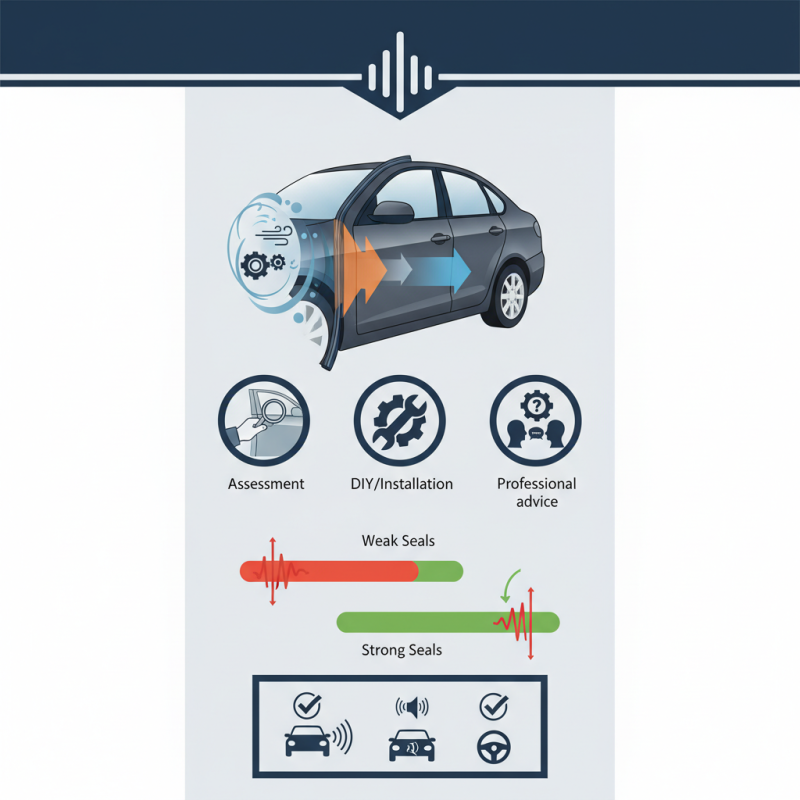
While effective, implementing these changes isn't always straightforward. Some may find that a DIY approach produces mixed results. Seeking advice from professionals or trusted resources can enhance decision-making. Overall, focusing on seals provides a practical avenue for better noise insulation in vehicles.
Understanding Vehicle Noise Insulation and Its Importance
Vehicle noise insulation plays a crucial role in enhancing the comfort and safety of drivers and passengers. Excessive noise can lead to fatigue and distraction. Therefore, understanding the sources of noise is vital. Sounds can originate from the engine, wind, or tires. Effective insulation minimizes these disturbances, creating a more pleasant driving experience.
One essential aspect of noise insulation is the use of quality seals. Seals are often overlooked yet they serve as barriers against unwanted sounds. Installing new door seals can significantly reduce noise levels. Additionally, checking the condition of existing seals is important. Wear and tear can compromise their effectiveness. Attention to these details can make a notable difference.
However, improving vehicle noise insulation is not a simple task. It requires regular maintenance and sometimes investment in better materials. Soundproofing materials can help, but they may not be a one-size-fits-all solution. Each vehicle has unique challenges. Finding the right balance between weight and insulation can be tricky. Understanding these complexities is essential for achieving optimal results.
The Role of Seals in Enhancing Noise Insulation
Seals play a critical role in enhancing vehicle noise insulation. They act as barriers, preventing sound waves from entering the cabin. This helps create a quieter driving experience, which many drivers value. Proper installation of seals ensures that there are no gaps where noise can seep through. Regular checks can identify wear and tear that might compromise effectiveness.
The materials used for seals are also important. High-quality rubber or foam can significantly reduce noise levels. However, not all vehicles come equipped with top-notch seals. Some might not fit well, leading to vibrations that amplify sound. Monitoring the condition of these seals is essential in maintaining vehicle tranquility.
It’s worth considering how environmental factors impact seal performance. Extreme temperatures can affect their flexibility and lifespan. A seal that is too hard may crack, while one that is too soft might not offer adequate resistance to noise. Regular assessments of these seals can help in identifying weaknesses and making necessary improvements.
Types of Seals for Effective Noise Reduction
Seals play a vital role in enhancing vehicle noise insulation. Various types of seals are used to minimize sound transmission and vibrations. According to the Society of Automotive Engineers, sound leakage can account for up to 60% of perceived noise inside a vehicle. Choosing the right type of seal is crucial for effective noise reduction.
Foam seals are commonly utilized for their compressibility. They conform to irregular surfaces, creating an effective barrier against external noise. Rubber seals, on the other hand, provide excellent durability and resistance to abrasions. They are often placed in doorframes and windows to prevent noise intrusion. While both options offer benefits, manufacturers must evaluate their specific needs and environmental conditions.
Tips for improving noise insulation include ensuring proper installation of seals. Any gaps or misalignments can significantly reduce their effectiveness. Regular maintenance checks on seals can prevent deterioration, allowing for continued performance. Always consider the seal material that best meets your vehicle's requirements, as this directly influences noise levels. Balancing cost, durability, and effectiveness can be challenging, but it's essential for optimal results.
Best Practices for Installing Vehicle Seals
When it comes to enhancing vehicle noise insulation, proper installation of seals is crucial. Start with the right materials. Quality rubber or foam seals can help reduce vibrations and noise. Inspect the surface area for dirt or damage before installation. Any imperfections could undermine the seal's effectiveness.
Measure twice, cut once. Accurate dimensions are vital for a snug fit. Use a sharp cutting tool for cleaner edges, ensuring no gaps are left behind. Apply the sealant evenly to avoid air pockets. This step may seem simple, but air leakage can lead to significant noise issues.
Check for alignment after installation. Misaligned seals offer little protection against sound. If you notice gaps, it may require re-installation. Test the vehicle by driving at various speeds to assess noise levels. Adjustments may be necessary for optimal performance. Reflecting on this process can reveal areas for improvement, especially when seeking an acoustic upgrade.
Vehicle Noise Insulation Improvement with Seals
Maintenance Tips for Optimal Seal Performance
Maintaining seals is crucial for optimal vehicle noise insulation. A study by the International Journal of Automotive Technology found that effective sealing can reduce cabin noise by up to 30%. Regular inspections of seals should be a routine part of vehicle maintenance. Look for signs of wear, such as cracks or hardness. These can affect noise reduction capabilities.
Cleaning seals using mild detergents helps prolong their lifespan. Grime can cause seals to wear out faster. It's also recommended to apply silicone grease periodically. This helps maintain flexibility and creates a better barrier against noise. Corrosion at connection points can lead to gaps and increased noise levels.
Many drivers overlook the importance of proper sealing maintenance. Inadequate care can lead to increased cabin noise, impacting overall comfort. Simply replacing a worn-out seal can significantly enhance the driving experience. Keep a close eye on the state of your vehicle's seals. Regular attention can make a noticeable difference.
FAQS
: Seals enhance vehicle noise insulation by minimizing sound transmission and vibrations.
Foam seals and rubber seals are commonly used for their sound-proofing properties.
Poor installation can create gaps, reducing the seal's effectiveness and allowing noise to enter.
Regular maintenance checks can prevent deterioration and ensure seals continue to perform well.
Inspect the surface area for dirt or damage to ensure a proper fit and effectiveness.
This rule emphasizes accurate measurements for a snug fit to avoid gaps during installation.
Check for alignment after installation; gaps may indicate misalignment that requires re-installation.
Test the vehicle at various speeds to assess noise levels and make necessary adjustments.
Balancing cost, durability, and effectiveness can be challenging but is essential for optimal results.
Reflecting on your process can reveal areas for improvement, aiding in future acoustic upgrades.
Conclusion
Improving vehicle noise insulation is crucial for enhancing driving comfort and reducing unwanted sound levels. One effective method is to focus on seals, which play a significant role in blocking noise pathways. Various types of seals, such as weatherstripping, foam, and rubber gaskets, can be utilized for effective noise reduction. Proper installation of these seals is essential; following best practices ensures they function optimally, preserving insulation integrity.
To achieve optimal seal performance, regular maintenance is necessary. Inspecting seals for wear and tear, cleaning them to prevent debris accumulation, and replacing damaged parts can help maintain their effectiveness. By understanding how to improve vehicle noise insulation with seals, drivers can significantly enhance their driving experience, creating a quieter and more enjoyable environment inside the vehicle.

 Haala Parts