A car seal is a small component with a demanding job. It closes gaps around doors, windows, hoods, trunks, lights, and engine systems. By blocking water, dust, air leaks, and unwanted noise, seals help protect both vehicle comfort and mechanical performance. A worn door seal may allow rain into the cabin. A damaged engine seal can cause fluid loss, contamination, or overheating risks.
Seals also influence energy use. A tight cabin reduces uncontrolled airflow, helping the climate-control system maintain its selected temperature. In electric vehicles, this matters because heating and cooling can reduce driving range. In combustion vehicles, improved thermal control may support more stable operation. Still, a seal alone cannot transform an inefficient car. Vehicle design, tire pressure, driving habits, and maintenance remain important.
This raises a practical question: How to improve energy efficiency of cars with seals? The answer begins with correct material selection, accurate installation, and regular inspection. Technicians often check for flattening, cracks, hardened rubber, loose corners, and visible gaps. A simple paper test can reveal weak contact around a closed door, although it is not a complete diagnostic method. Small details matter.
Not every seal performs equally.
Weather, heat, vibration, cleaning chemicals, and age change seal behavior. Manufacturers typically specify suitable materials and replacement procedures, while trained professionals can confirm fit and compression. Some explanations oversimplify the subject by treating seals as permanent parts. They are not. A careful approach connects seal condition with comfort, durability, safety, and measurable energy performance.
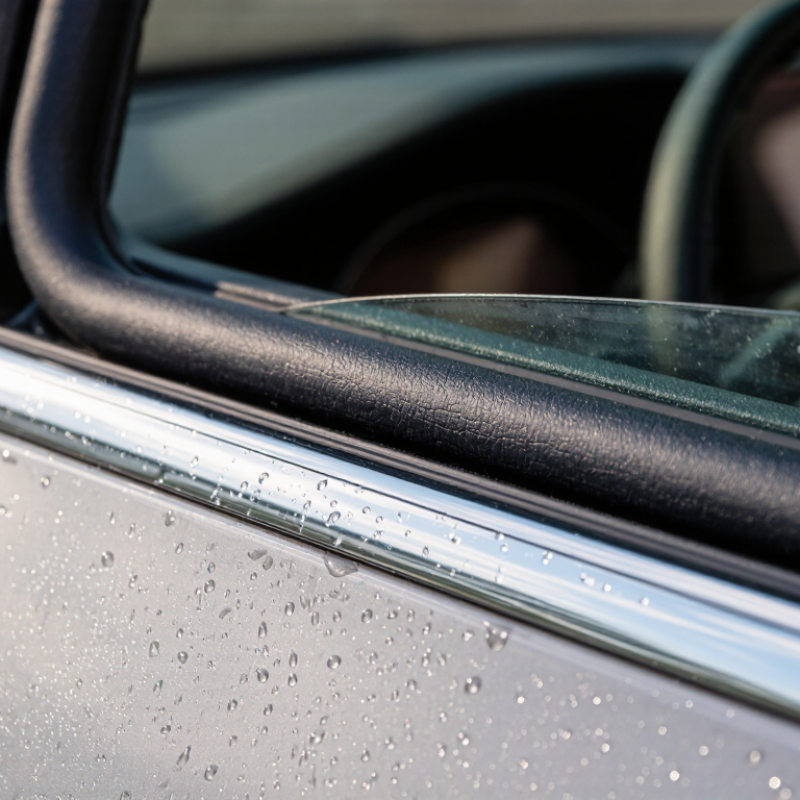
A car seal is a shaped barrier that controls fluids, gases, noise, and movement between connected parts. Door weatherstrips block rain and wind. Oil seals retain lubricant around rotating shafts. O-rings protect joints in fuel, brake, cooling, and air-conditioning systems. Each design must match its pressure, temperature, motion, and exposure conditions. A small sealing failure can create drag, leaks, corrosion, or repeated maintenance.
Material selection often follows SAE J200. This standard classifies elastomer families and compares properties through defined tests. It helps engineers review heat resistance, oil swelling, tensile strength, hardness, and aging behavior. For example, FC identifies fluorocarbon materials, while FE refers to fluoro-silicone. GE represents silicone materials. These classes guide selection, but they do not replace application testing. A seal that survives engine heat may still fail under shaft wear or chemical exposure.
In practical inspection, I look for flattened edges, hard surfaces, cracks, and shiny wear tracks. Poor installation matters too. A twisted O-ring can leak immediately. Even correct material can perform badly with a rough groove or incorrect compression. SAE J200 gives a dependable comparison framework, though real vehicles add vibration, dirt, temperature cycling, and assembly variation. That is where specifications sometimes need a second look.
An automotive seal forms a shaped barrier between connected or moving parts. It controls fluids, gases, noise, and unwanted movement. Examples include door strips, oil seals, and O-rings. Small failures can cause leaks, drag, corrosion, or extra maintenance.
Door seals block rain and wind around the cabin. Oil seals retain lubricant around rotating shafts. O-rings protect joints in cooling, fuel, braking, and air-conditioning systems. Each location needs a suitable design.
SAE J200 organizes elastomer families using defined property tests. It helps compare heat resistance, oil swelling, tensile strength, hardness, and aging. Material classes guide decisions. They do not replace application testing.
EPDM commonly works from about −40°C to 150°C, depending on its compound. It resists water, steam, and many glycol-based coolants. Petroleum oils may soften or swell it.FKM compounds can perform up to about 200°C. They generally resist fuels, lubricants, and hot engine vapors better. Some grades lose flexibility in cold conditions. Higher temperature resistance is not always better.
Yes. A seal may match the fluid but fail because of poor groove design. Incorrect compression, rough surfaces, or shaft wear can cause leakage. Fit still matters. I would not trust material data alone.
Tight door, window, hood, and trunk seals reduce unwanted air entry. The climate-control system may work less. This can reduce energy use, especially during heating or cooling.Seals can also reduce airflow disturbance. A loose rubber edge behaves like a small flap in wind. It may increase drag, noise, vibration, and mechanical effort.
Look for flattened edges, cracks, hard surfaces, torn corners, and shiny wear tracks. Check whether the seal remains seated in its groove. A twisted O-ring can leak immediately. That failure is easy to miss.
Laboratory checks may assess hardness, compression set, and fluid resistance. Temperature cycling and dimensional checks also matter. Real vehicles add vibration, dirt, pressure, and assembly variation.Compare energy use on similar routes and temperatures. Inspect the seal before and after testing. Dramatic efficiency claims need controlled evidence. My confidence should remain limited without field data.
Automotive seals are engineered components that block air, water, dust, noise, and fluids from entering or escaping a vehicle. They are used around doors, windows, engine compartments, and fluid systems, where they support comfort, safety, reliability, and consistent performance. Seal materials are classified through standards such as SAE J200, while common elastomers offer different temperature and chemical resistance. EPDM typically performs across approximately −40°C to 150°C, making it suitable for weather-exposed applications, whereas FKM can withstand temperatures approaching 200°C and is often selected for demanding engine or fluid environments.
How to improve energy efficiency of cars with seals depends on reducing unwanted air leakage, aerodynamic drag, friction, and heat or fluid losses. Properly designed and maintained seals help climate-control systems work less, preserve pressure, and prevent contamination that can reduce component efficiency. Durability can be evaluated using ASTM D2000 and ISO 1629 material classifications, along with IP6K9K testing for resistance to high-pressure, high-temperature water jets. These checks help confirm long-term sealing performance under harsh operating conditions.

 Haala Parts