Properly installing automotive sealing strips is crucial for vehicle performance. These strips prevent water, dust, and noise from entering the cabin. Many car owners underestimate their importance. They often overlook common mistakes during installation. Learning how to install automotive sealing strips correctly can save time and money.
One prevalent issue is inadequate surface preparation. If the surface is dirty or oily, seals may not adhere properly. Regular cleaning and drying are essential steps. Additionally, not using the right adhesive can cause early failures. Look for high-quality products explicitly designed for automotive use.
Another common oversight is incorrect measurements. Precise cutting is vital for a snug fit. If the strips are too short or long, reinstallation may be necessary. This can lead to frustration and wasted materials. Reflecting on these aspects will help ensure a more effective sealing process.
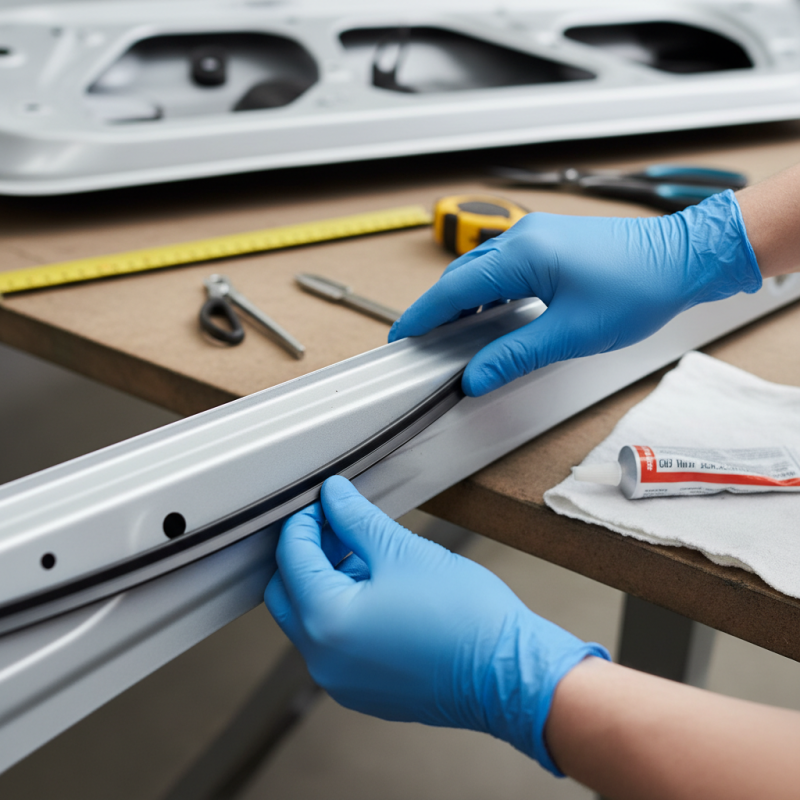
Automotive sealing strips play a crucial role in vehicle performance. They prevent water, dust, and noise from entering the cabin. Proper installation ensures lasting durability and effectiveness. These strips are often made from rubber or foam materials. Factors like temperature and air pressure can affect their performance.
Understanding the different types of sealing strips is important. Some are designed for the doors, while others aid in windows and trunk fittings. A poorly installed strip can lead to leaks or increased cabin noise. Regular inspection is wise, as wear and tear are common. Small cracks or deformities can compromise the seal, impacting overall comfort.
Getting the installation right requires attention to detail. Ensure the surface is clean before application. Misplaced strips can lead to gaps. If unsure, consulting a professional can save time and effort in the long run. Recognizing the importance of these components can enhance your vehicle's longevity and driving experience.
| Tip Number | Tip Description | Importance |
|---|---|---|
| 1 | Clean the Installation Area Thoroughly | Ensures proper adhesion and performance of seals. |
| 2 | Choose the Right Sealing Strip Material | Different materials provide various weather resistance and durability. |
| 3 | Check for Manufacturer Specifications | Ensures compatibility with your vehicle model. |
| 4 | Use Proper Tools for Installation | Prevents damage to both the sealing strips and vehicle surface. |
| 5 | Measure Before Cutting | Ensures the correct length for a tight fit. |
| 6 | Avoid Stretching the Sealing Strips | Maintains the integrity and performance of the strips. |
| 7 | Press Firmly During Installation | Ensures a secure attachment to the vehicle. |
| 8 | Seal the Endings Properly | Prevents water and air infiltration. |
| 9 | Allow the Adhesive to Cure | Ensures maximum bond strength with time. |
| 10 | Regularly Inspect the Sealing Strips | Ensures longevity and effectiveness of the seals. |
: Proper installation maintains vehicle integrity and prevents water intrusion, reducing corrosion risks.
You need utility knives, measuring tapes, clamps, and optionally, a heat gun for pliability.
Improper cleaning can lead to adhesion issues. About 30% of failures stem from unclean surfaces.
Apply in warmer environments. Cold temperatures can negatively impact adhesive properties.
Inspect closely for gaps or misalignment. Even small imperfections can impact overall performance.
Check for wear and clean with mild soap. Dry thoroughly to avoid mold and maintain flexibility.
Avoid harsh chemicals as they can degrade the material. Stick to mild soap and water.
Extreme temperatures and UV can degrade strips. Parking in the shade can help prolong their life.
Address small issues quickly to prevent bigger problems later. Regular inspection is key.
Stretching can cause premature failure. Take care to apply without tension for better outcomes.
Installing automotive sealing strips correctly is crucial for maintaining vehicle integrity and performance. This article provides an in-depth guide on how to install automotive sealing strips correctly, starting with an understanding of their importance in preventing leaks and noise. It outlines the essential tools and materials required for a successful installation, ensuring that you are fully prepared before beginning the process.
Furthermore, the article offers a detailed step-by-step guide on preparing the surface for sealing strips, which is vital for achieving optimal adhesion. Techniques for correctly applying and securing the strips are discussed to ensure longevity and effectiveness. Finally, it emphasizes the importance of maintaining sealing strips over time for sustained performance, providing tips to help car owners prolong the life of their seals and enhance their overall driving experience.

 Haala Parts