Difference Between EPDM and Silicone Seals Explained?

Time:2026-05-16 Author:Sienna
0%

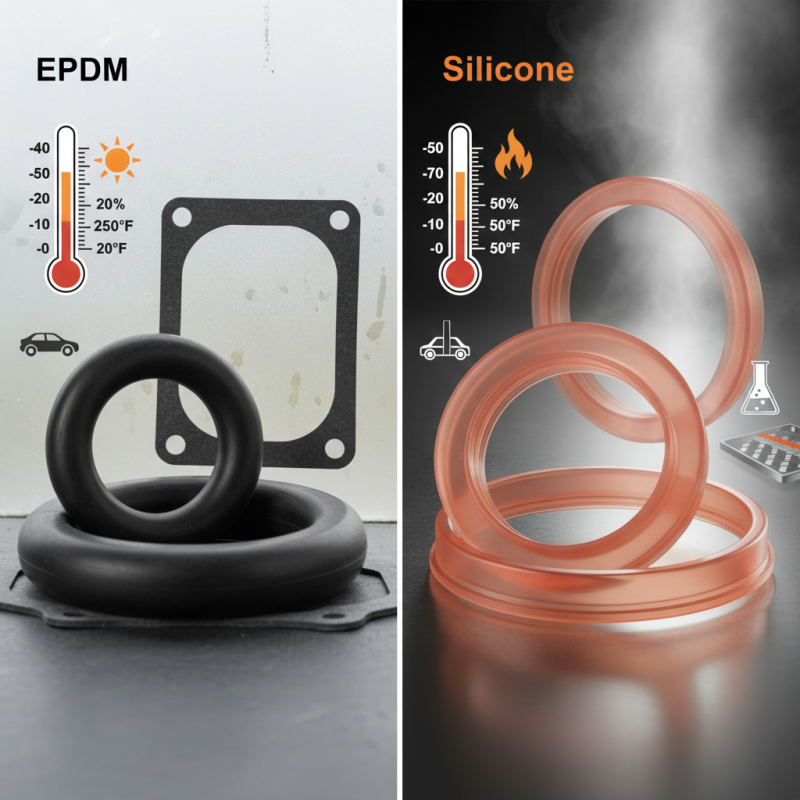
When considering gasket materials, two prominent options arise: EPDM and silicone seals. What is the difference between EPDM and silicone seals? Understanding their unique properties is essential for effective applications. Recent industry reports highlight that EPDM seals can withstand temperatures ranging from -40°F to 250°F, making them ideal for outdoor applications. Conversely, silicone seals excel in extreme temperatures, tolerating between -75°F and 500°F.

EPDM is known for its excellent resistance to weathering and ozone, while silicone demonstrates superior flexibility and thermal stability. According to a study by the Rubber Manufacturers Association, nearly 70% of automotive manufacturers prefer EPDM due to its cost-effectiveness. However, silicone is often chosen for its longevity in high-heat environments, though it tends to be more expensive.

Choosing the right seal depends on your specific needs. Misunderstanding these materials can lead to premature failures. Both seals have their advantages and drawbacks. EPDM may lack flexibility in extreme cold, while silicone may not be as resistant to certain chemicals. In-depth analysis of your project requirements will guide you to the right choice.
Difference Between EPDM and Silicone Seals Explained?

Overview of EPDM and Silicone Seal Materials

EPDM (Ethylene Propylene Diene Monomer) and silicone seals are popular materials used in various applications. Understanding their properties can help you make informed choices.

EPDM seals perform well in outdoor settings. They resist UV rays, ozone, and extreme temperature changes. This makes them ideal for automotive applications and roofing systems. In contrast, silicone seals excel in high-temperature environments. They remain flexible, even in extreme heat or cold. These features make silicone a trusted choice in kitchens and laboratories.

When choosing between the two, consider your specific needs. EPDM is excellent for long-term outdoor exposure. Silicone offers versatility in temperature extremes.

Tips: Always check the specific application requirements. This will help you pick the right material. Test samples before full-scale use. This ensures the seal meets your expectations.

Difference Between EPDM and Silicone Seals

Key Properties of EPDM Seals

EPDM seals are popular in various applications due to their impressive properties. One key characteristic is their excellent weather resistance. They can withstand extreme temperatures, from -40°F to 212°F. This makes them ideal for outdoor settings. Additionally, EPDM seals resist UV radiation, ozone, and other environmental factors. This durability extends their lifespan significantly.

Another crucial property of EPDM seals is their compression set resistance. They maintain their shape under pressure, which is vital for sealing applications. This trait is especially important in dynamic environments where movement occurs. EPDM seals are also effective in resisting heat and aging, adding to their reliability.

**Tips:** When selecting seals, consider the specific application and environment they will be used in. EPDM may not be suitable for petroleum-based products. Ensure the compatibility of materials to avoid leaks. Regular maintenance can enhance the longevity of these seals. Reevaluate the condition periodically to prevent unexpected failures.

Key Properties of Silicone Seals

Silicone seals have become essential in various industries for their unique properties. One key advantage of silicone seals is their temperature resistance. They can function effectively in temperatures ranging from -80°F to 450°F. This wide range ensures they can accommodate extremes, making them ideal for automotive and aerospace applications. According to industry reports, the demand for silicone seals in these sectors is projected to grow by over 6% annually.

Another significant property is their excellent flexibility and durability. Silicone seals maintain their integrity under compression and expansion. This resilience allows them to withstand mechanical stress without degrading. In environments that experience vibration and movement, silicone seals perform reliably. However, it's important to note that they may not provide the same chemical resistance as some other materials. This limitation is crucial for users to consider, especially in chemical processing industries.

Furthermore, silicone seals offer good weather resistance. They are less prone to wear from UV radiation, ozone, and moisture compared to other rubber seals. A study highlighted that silicone seals retain their sealing properties 25% longer than traditional rubber options in outdoor applications. Yet, users often overlook this factor, leading to premature failures in seals that cannot endure adverse weather conditions. Understanding these properties can guide informed choices in sealing solutions.

Applications and Uses of EPDM vs. Silicone Seals

EPDM (ethylene propylene diene monomer) and silicone seals serve important roles in various applications. EPDM is known for its excellent weather resistance. It performs well in outdoor settings, resisting UV rays, ozone, and extreme temperatures. Common applications include automotive seals and roofing materials. These seals can withstand harsh environments, making them a popular choice for construction and automotive industries.

On the other hand, silicone seals excel in high-temperature applications. They maintain flexibility and elasticity even at extreme temperatures, making them ideal for kitchen and medical applications. Silicone is often used in food processing equipment and appliances. However, it may not resist UV rays as effectively as EPDM. This difference can impact the seal's lifespan depending on the application.

Both EPDM and silicone have unique advantages. Users should consider their specific needs before selecting a seal type. For example, a sealed application exposed to sunlight may favor EPDM. In contrast, a high-heat environment may require silicone. It’s essential to evaluate long-term performance and reliability based on the intended use.

Durability and Environmental Resistance Comparison

When comparing EPDM and silicone seals, durability and environmental resistance are crucial factors. EPDM, or ethylene propylene diene monomer, is well-known for its excellent resistance to heat and aging. It performs effectively in environments with ozone and UV exposure. According to a report from the American Society for Testing and Materials (ASTM), EPDM can withstand temperatures from -50°C to 150°C. Its capability to endure extreme weather conditions makes it a preferred choice for outdoor applications.

On the other hand, silicone seals excel in temperature extremes and flexibility. They can maintain integrity in temperatures ranging from -60°C to 230°C. A study published in the Journal of Materials Science highlighted that silicone's resistance to many chemicals and its superior flexibility enhance performance in various applications. However, silicone can degrade faster due to UV exposure compared to EPDM.

While EPDM might last longer under specific conditions, the higher temperature range of silicone offers advantages in extreme applications. Evaluating the environment and intended use is essential. Some users may find that silicone’s flexibility compensates for its lower longevity in UV-rich settings. Understanding these trade-offs is vital when selecting the right sealing material for your needs.

FAQS

: What are the main properties of EPDM seals?

: EPDM seals are known for excellent weather resistance and can handle extreme temperatures from -40°F to 212°F.

How do EPDM seals perform under pressure?

They resist compression set and maintain their shape, which is vital in sealing environments with movement.

In which applications are EPDM seals commonly used?

EPDM seals are popular in automotive and roofing applications, especially in outdoor environments.

What are the advantages of silicone seals?

Silicone seals excel in high-temperature applications, maintaining flexibility and elasticity even in extreme heat.

How do EPDM and silicone seals differ in UV resistance?

EPDM offers better UV resistance than silicone, impacting the lifespan of seals exposed to sunlight.

Why is regular maintenance important for EPDM seals?

Regular checks can enhance longevity and help prevent unexpected failures in sealing applications.

Are EPDM seals compatible with all materials?

No, EPDM may not suit petroleum-based products. Compatibility is crucial to avoid leaks.

What factors should be considered when choosing a seal type?

Evaluate the application environment, temperature extremes, and exposure to UV radiation for optimal performance.

How does age affect the performance of EPDM seals?

Age can lead to deterioration, so periodic reevaluation is necessary to ensure reliability.

Can silicone seals be used outdoors?

While they are durable, silicone may not perform as well as EPDM in outdoor, UV-exposed conditions.

Conclusion

EPDM and silicone seals are two popular types of elastomeric materials used in various applications due to their unique properties. EPDM, or ethylene propylene diene monomer, is known for its excellent resistance to heat, ozone, and weathering, making it ideal for outdoor applications and automotive uses. On the other hand, silicone seals are prized for their flexibility, high-temperature resistance, and superior performance in extreme conditions, including various chemical exposures.

When considering durability and environmental resistance, a key question arises: what is the difference between EPDM and silicone seals? EPDM is generally more effective in outdoor settings, while silicone performs better in highly variable temperature environments. Understanding these differences helps in selecting the appropriate seal type for specific applications, ensuring optimal performance and longevity.

Sienna

Sienna

Sienna is a skilled marketing professional with a deep expertise in our company’s core products and services. With a passion for innovation and detail, she plays a pivotal role in crafting insightful blog posts that not only highlight the unique features of our offerings but also provide valuable......