When considering how to select waterproof sealing strips for cars, it's essential to analyze both quality and performance. Recent industry reports indicate that over 70% of car owners encounter issues related to water leakage. This not only affects the vehicle's interior but can lead to expensive repairs. Proper sealing strips play a crucial role in maintaining a car’s integrity.
High-quality sealing strips can improve lifespan and comfort. According to the Automotive Sealing Market Report, an effective sealing system can reduce noise pollution and enhance energy efficiency. However, selecting the right product is not always straightforward. Many consumers struggle with the variety of options available.
Understanding material types and their applications can significantly impact your choice. Materials like EPDM rubber are known for their durability and resistance. Evaluating the strip's thickness and flexibility is equally important. These factors determine how well the strips can conform to your vehicle's unique contours. Choosing the wrong seal may compromise your car's protection against the elements. It warrants careful consideration.
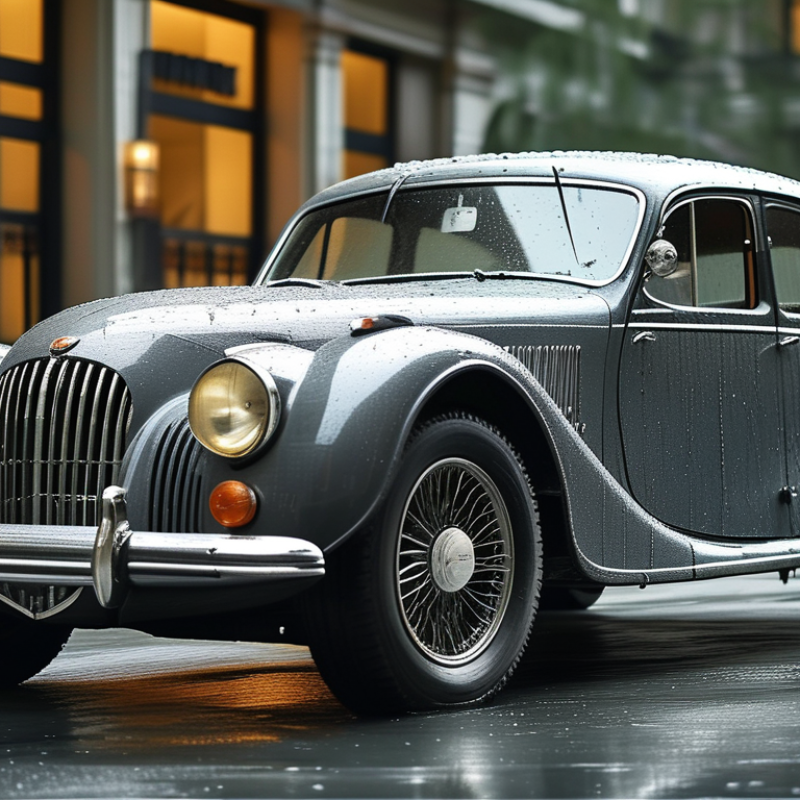
Waterproof sealing strips play a crucial role in protecting vehicles from the elements. They are designed to provide a barrier against water, dust, and other contaminants. When installed correctly, these strips can help prevent rust and deterioration. This can extend the life of a car's interior and its electrical components. Car owners often overlook these simple yet effective installations, which can lead to costly repairs later.
The importance of waterproof sealing strips cannot be understated. They act as the first line of defense against water ingress. A small gap can lead to leaks, which may cause mold or damage to upholstery. It’s common for people to neglect regular inspections of these strips. This can result in missing signs of wear and tear. Observing the condition of these seals is often underrated.
Choosing the right sealing strips requires attention to detail. Material quality and flexibility are key factors. Not all strips are created equal. Some can lose effectiveness over time. It’s essential to regularly assess their performance, especially after extreme weather. Remember, sealing strips should maintain a tight fit and remain durable to truly protect your vehicle.
: They are materials used to prevent water from entering vehicles through gaps and seams.
Foam strips work well for small gaps, providing a snug fit to keep moisture out.
Yes, rubber strips are known for their durability and can withstand harsh weather conditions.
Adhesive strips are easy to install but may have varied longevity based on environmental exposure.
Improper installation can lead to leaks, making the sealing ineffective in preventing moisture.
High-quality materials, like EPDM, offer better resistance to UV rays and temperature changes, improving effectiveness.
Different vehicle models require strips with specific dimensions; even a slight discrepancy can cause moisture problems.
Factors like humidity and extreme temperatures impact the performance and longevity of sealing strips.
Finding the best seal for your vehicle isn't easy; you may need to experiment with various options.
Many users indicate issues arise from improper application, affecting the adhesive's long-term effectiveness.
Choosing the right waterproof sealing strips for cars is crucial for maintaining a vehicle's integrity and preventing water damage. In understanding the importance of these strips, one should consider the various types available, ensuring the selection aligns with specific needs, such as weather resistance and durability. When learning how to select waterproof sealing strips for cars, it's essential to evaluate factors like material, size, and compatibility with your vehicle's design.
For effective installation, following precise guidelines can greatly enhance the sealing performance. Additionally, regular maintenance practices are vital in extending the lifespan of the sealing strips, ensuring they remain effective over time. By focusing on these aspects, car owners can ensure optimal protection against water intrusion, thereby preserving their vehicle's interior and overall functionality.

 Haala Parts